-
Shop
- Advanced Technologies
- AI Skills Mastery 2026 Collection
- Apple Accessories
- Baby & Toddler
- Baking & Desserts
- Bathroom
- Budget Travel
- Car Accessories
- Clean & DIY Beauty
- Cleaning & Home Care
- Dating & Social Skills
- Digital Resources
- AI & Technology
- Beauty
- Budgeting & Saving
- Car Buying & Ownership
- Cozy Feast Collection
- Electronics & Technology
- Entrepreneurship & Business Growth
- Financial Education
- Financial Independence
- Financial Mindset & Psychology
- Goal Setting
- Home Styling & Organization
- Kitchen & Recipes
- Leadership
- Mindfulness
- Mindset
- Online Business
- Parenting & Child Development
- Personal Style & Fashion
- Pet Lifestyle & Wellness
- Positive Thinking
- Sleep Improvement
- Smart Life with AI
- Stress Management & Relaxation
- Travel Planning
- Wellness
- Yoga & Fitness
- Yoga & Mind-Body Practices
- Education & Learning
- Family & Parenting
- Family Travel
- Fashion
- Accessories
- Alexander McQueen
- Bags
- Bags & Wallets
- Balenciaga
- Belts
- Blazers
- Blouses & Shirts
- Bottega Veneta
- Bottoms
- Brunello Cucinelli
- Burberry
- Chanel
- Chloé
- Clothing
- Dior
- Dolce & Gabbana
- Dresses
- Etro
- Fendi
- Gucci
- Hats & Hair Accessories
- Hoodies & Sweatshirts
- Jacquemus
- Jewelry
- Jil Sander
- Keychains
- Kiton
- Luggage
- Luggage Bags
- Miu Miu
- Off-White
- Outerwear
- Prada
- Rick Owens
- Saint Laurent
- Scarves
- Socks & Tights
- Sweaters & Cardigans
- The Row
- Tom Ford
- Tops & Shirts
- Valentino
- Valentino Garavani
- Versace
- Vivienne Westwood
- Watches
- Fashion Accessories
- Furniture
- Gadgets
- Halloween
- Health & Beauty
- Health & Wellness
- Home & Garden
- Home Electronics
- Home Supplies
- Kids & Babies
- Kitchen
- Lighting
- Party Planning & Hosting
- Patio, Lawn & Garden
- Personal Growth
- Pet Care
- Pet Supplies
- Pets
- Relationships & Dating
- Self-Care
- Shoes
- Smart Amazon Shopping
- Sport & Outdoors
- Super Deals
- Thanksgiving
- Travel
- Wealth
- Wealth Building
Baby Cloth Book with Teether: Simple Ways to Play
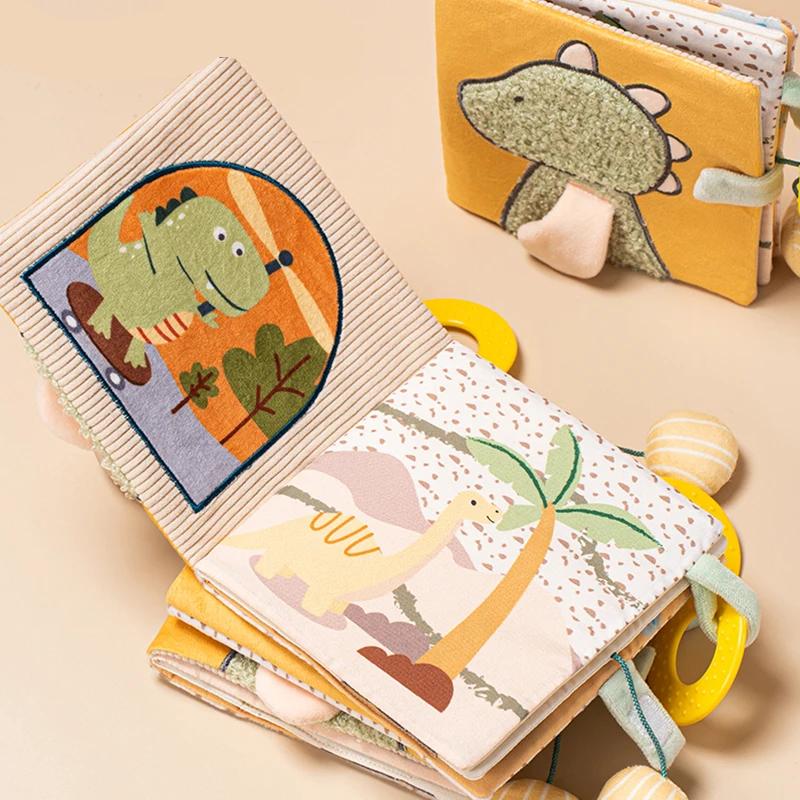
86% off on product page · save $21.86
Baby Cloth Book with Teether: Simple Ways to Play
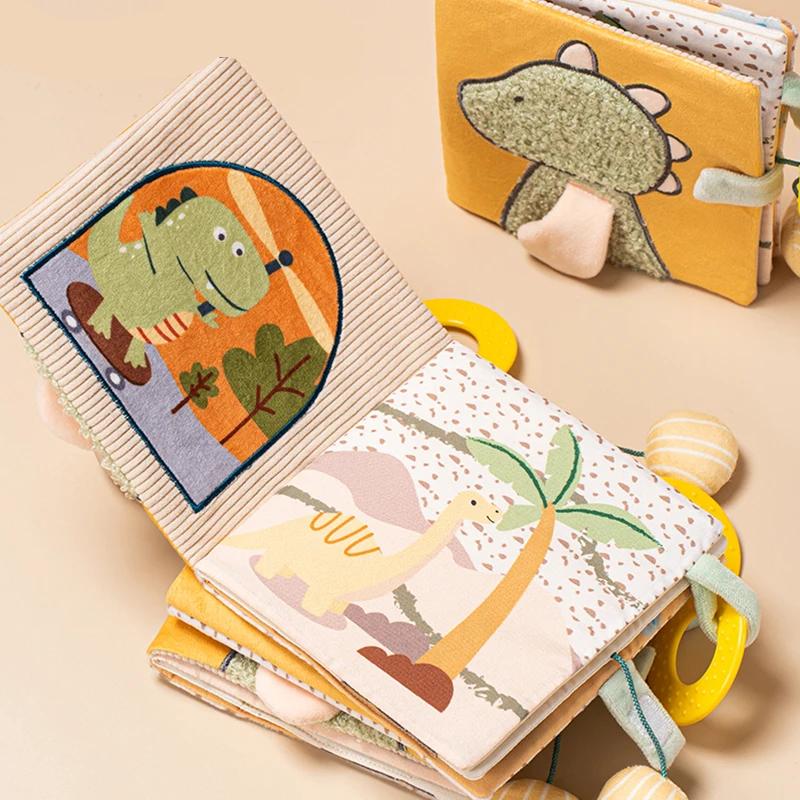
Why a cloth book fits into everyday play
Reading with a baby does not have to sound like reading aloud to an older child. You might point to a page and name something you see, describe a color, or make up a short sentence. Then pause. Your baby may look, move, make a sound, or seem more interested in holding the book than hearing the next words. You can follow that interest instead of trying to keep to a script.
Keep the book close enough for shared attention, and give your baby room to explore it at their own pace. On one day, that may mean watching while you hold a page. On another, it may mean reaching for the book or handling its pages. These moments are about being together, not practicing a skill on a schedule. For more ideas on sharing books in a relaxed way, see the American Academy of Pediatrics’ guide to sharing books with your baby.
Check the product’s listed specifications when evaluating why a cloth book fits into everyday play.

Follow your baby’s lead
If your baby is watching, hold a page where they can see it and name something on it. If they reach, offer the book during supervised play. If they want to handle the pages, talk about whatever catches their attention.
When they turn away or become fussy, take a break. These are ways to spend time together, not milestones your baby needs to meet.
Check the product’s listed specifications when evaluating follow your baby’s lead.

Featured in this guide
Interactive Baby Cloth Book with Teether – Soft Sensory Learning Toy
Before you offer the book
Follow the stated age guidance and care instructions. Look over the pages, seams, and teether for wear or damage before use, and stay with your baby while they play. Keep toys out of your baby’s sleep space.
If teething discomfort concerns you, ask your pediatrician for guidance. A teether is a play item, not a substitute for care.
Choosing sensory play that feels manageable
Good sensory play can be wonderfully ordinary. Age-appropriate soft fabrics, safe-to-handle textures, and the sound of your voice as you sing or talk all give your baby something to notice. You do not need to present several items at once. A comfortable place for supervised floor time and one or two easy-to-reach toys can be enough for a relaxed play session.
You may also come across crinkle cloth books. They generally have pages or inserts designed to make a rustling sound when handled, but not every cloth book has that feature. Choose based on the features stated for the item, its age guidance, and what your baby seems to enjoy. Inspect toys regularly, follow their care instructions, and stay with your baby during play. Our aim is to help you find a manageable way to connect, whether you share a book for several minutes or simply talk through what your baby is exploring.
The Felt Dinosaur Wooden Mobile with Musical Bed Bell and Baby Rattle for Crib provides a defined sleep surface during family stops and overnight travel, pairing with the featured product during everyday use.
Before choosing, compare the product details with your daily routine, available space, care needs, and preferred setup. The strongest option is usually the one that fits the intended use clearly and remains simple to clean, store, and check before repeat use.
FAQ
What is the 3 6 9 rule for babies?
There is no single 3 6 9 rule that applies to every baby or to cloth-book play. If you heard the phrase in a specific health or development context, ask your pediatrician what it means for your baby.
What are some good sensory materials for infants?
Age-appropriate soft fabrics, varied safe-to-handle textures, and simple sounds such as your voice can all be part of sensory play. Supervise your baby and follow each item’s age and safety guidance.
What are crinkle cloth books?
Crinkle cloth books are soft books designed to rustle when their pages are handled. Not all cloth books have a crinkle feature.
What are some baby gear that make life easier?
A comfortable place for supervised floor time and a few easy-to-reach, age-appropriate play items can make everyday play simpler. A cloth book is one option, not an essential purchase.
See if Interactive Baby Cloth Book with Teether – Soft Sensory Learning Toy fits your setup
Recommended for you

Was this article helpful?
Yes
No









Leave a comment