-
Shop
- Advanced Technologies
- AI Skills Mastery 2026 Collection
- Apple Accessories
- Baby & Toddler
- Baking & Desserts
- Bathroom
- Budget Travel
- Car Accessories
- Clean & DIY Beauty
- Cleaning & Home Care
- Dating & Social Skills
- Digital Resources
- AI & Technology
- Beauty
- Budgeting & Saving
- Car Buying & Ownership
- Cozy Feast Collection
- Electronics & Technology
- Entrepreneurship & Business Growth
- Financial Education
- Financial Independence
- Financial Mindset & Psychology
- Goal Setting
- Home Styling & Organization
- Kitchen & Recipes
- Leadership
- Mindfulness
- Mindset
- Online Business
- Parenting & Child Development
- Personal Style & Fashion
- Pet Lifestyle & Wellness
- Positive Thinking
- Sleep Improvement
- Smart Life with AI
- Stress Management & Relaxation
- Travel Planning
- Wellness
- Yoga & Fitness
- Yoga & Mind-Body Practices
- Education & Learning
- Family & Parenting
- Family Travel
- Fashion
- Accessories
- Alexander McQueen
- Bags
- Bags & Wallets
- Balenciaga
- Belts
- Blazers
- Blouses & Shirts
- Bottega Veneta
- Bottoms
- Brunello Cucinelli
- Burberry
- Chanel
- Chloé
- Clothing
- Dior
- Dolce & Gabbana
- Dresses
- Etro
- Fendi
- Gucci
- Hats & Hair Accessories
- Hoodies & Sweatshirts
- Jacquemus
- Jewelry
- Jil Sander
- Keychains
- Kiton
- Luggage
- Luggage Bags
- Miu Miu
- Off-White
- Outerwear
- Prada
- Rick Owens
- Saint Laurent
- Scarves
- Socks & Tights
- Sweaters & Cardigans
- The Row
- Tom Ford
- Tops & Shirts
- Valentino
- Valentino Garavani
- Versace
- Vivienne Westwood
- Watches
- Fashion Accessories
- Furniture
- Gadgets
- Halloween
- Health & Beauty
- Health & Wellness
- Home & Garden
- Home Electronics
- Home Supplies
- Kids & Babies
- Kitchen
- Lighting
- Party Planning & Hosting
- Patio, Lawn & Garden
- Personal Growth
- Pet Care
- Pet Supplies
- Pets
- Relationships & Dating
- Self-Care
- Shoes
- Smart Amazon Shopping
- Sport & Outdoors
- Super Deals
- Thanksgiving
- Travel
- Wealth
- Wealth Building
Do You Really Need to Transition Dog Food?
35% off on product page · save $2.69
Do You Really Need to Transition Dog Food?
Why make the change gradually?
A sudden switch can leave some dogs with an upset stomach, loose stools, vomiting, or less interest in meals, even when the new food is appropriate for them. A gradual transition also makes it easier to tell whether a change in appetite or stool is related to the new food instead of guessing after a complete overnight swap.
Check the product’s listed specifications when evaluating why make the change gradually.

How should you transition dog food?
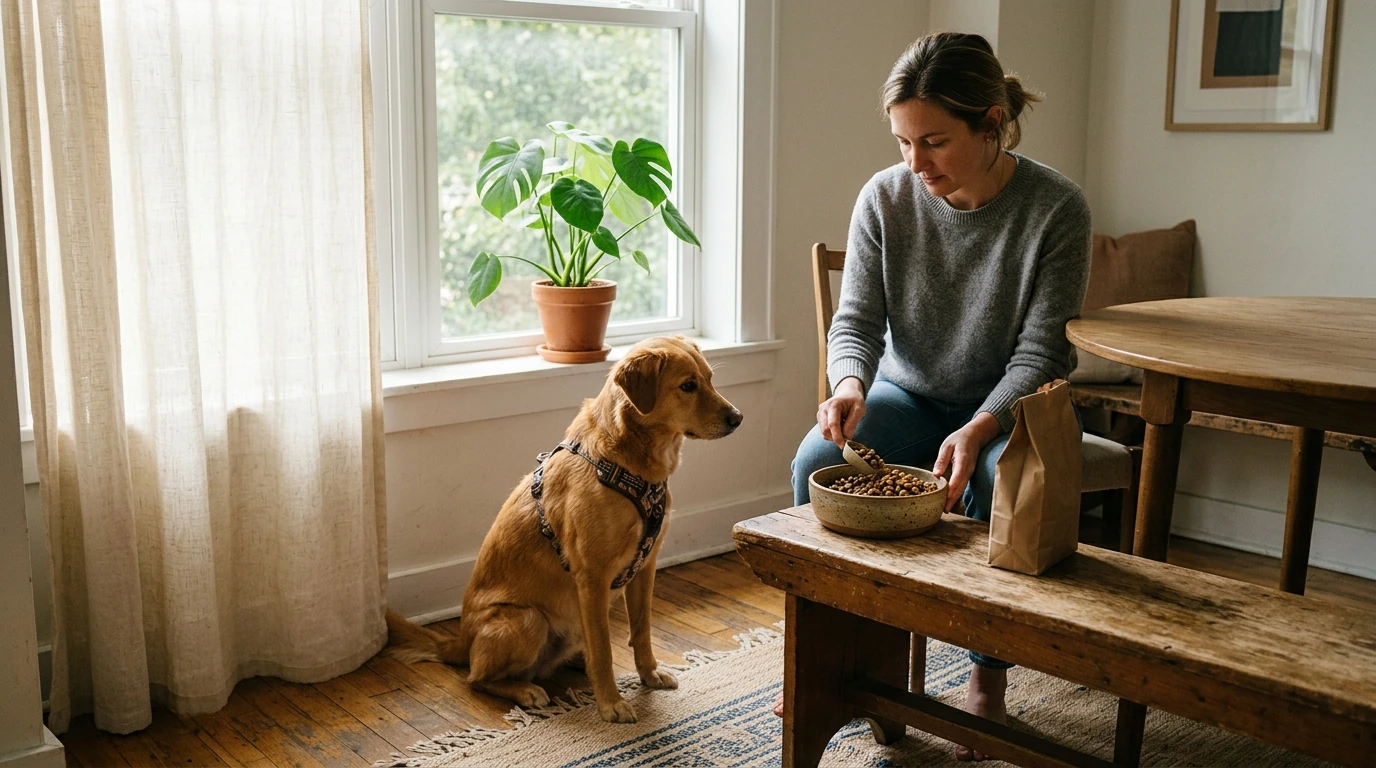
Start by mixing a small amount of the new food into your dog’s usual food, then increase the new food over about a week as you decrease the old food. Our guide to changing your pet’s food safely walks through the process, and our How to Change Your Pet’s Food Safely – Easy Checklist for Switching Pet Food Safely, Stress-Free Feeding Transition Guide is another way to keep the steps in mind.
Featured in this guide
How to Change Your Pet’s Food Safely – Easy Checklist for Switching Pet Food Safely, Stress-Free Feeding Transition Guide
When should you slow down or ask for help?
If your dog develops mild digestive upset during the switch, pause at the current mix or return to the last mix they tolerated before trying a slower increase. Contact your veterinarian if vomiting or diarrhea is persistent or severe, your dog seems lethargic, or the food change is part of managing a medical condition; in those situations, a routine seven-day schedule may not be the right plan.
Check the product’s listed specifications when evaluating when should you slow down or ask for help.
Does every dog need the same schedule?
No: a dog with a sensitive stomach may need a longer transition, while a veterinarian may give you a different plan for a prescribed diet or an urgent health concern. We suggest treating a week as a practical starting point, not a deadline—you can watch your dog’s appetite, stool, and overall behavior and adjust with veterinary guidance when needed.
Check the product’s listed specifications when evaluating does every dog need the same schedule.
FAQ
What happens if I don’t transition my dog’s food?
Your dog might eat the new food without an obvious problem, but an abrupt change can cause digestive upset such as loose stools or vomiting. If you’ve already switched and your dog seems unwell, contact your veterinarian, especially if symptoms are severe or continue.
See if How to Change Your Pet’s Food Safely – Easy Checklist for Switching Pet Food Safely, Stress-Free Feeding Transition Guide fits your setup
Was this article helpful?
Yes
No







Leave a comment