-
Shop
- Advanced Technologies
- AI Skills Mastery 2026 Collection
- Apple Accessories
- Baby & Toddler
- Baking & Desserts
- Bathroom
- Budget Travel
- Car Accessories
- Clean & DIY Beauty
- Cleaning & Home Care
- Dating & Social Skills
- Digital Resources
- AI & Technology
- Beauty
- Budgeting & Saving
- Car Buying & Ownership
- Cozy Feast Collection
- Electronics & Technology
- Entrepreneurship & Business Growth
- Financial Education
- Financial Independence
- Financial Mindset & Psychology
- Goal Setting
- Home Styling & Organization
- Kitchen & Recipes
- Leadership
- Mindfulness
- Mindset
- Online Business
- Parenting & Child Development
- Personal Style & Fashion
- Pet Lifestyle & Wellness
- Positive Thinking
- Sleep Improvement
- Smart Life with AI
- Stress Management & Relaxation
- Travel Planning
- Wellness
- Yoga & Fitness
- Yoga & Mind-Body Practices
- Education & Learning
- Family & Parenting
- Family Travel
- Fashion
- Accessories
- Alexander McQueen
- Bags
- Bags & Wallets
- Balenciaga
- Belts
- Blazers
- Blouses & Shirts
- Bottega Veneta
- Bottoms
- Brunello Cucinelli
- Burberry
- Chanel
- Chloé
- Clothing
- Dior
- Dolce & Gabbana
- Dresses
- Etro
- Fendi
- Gucci
- Hats & Hair Accessories
- Hoodies & Sweatshirts
- Jacquemus
- Jewelry
- Jil Sander
- Keychains
- Kiton
- Luggage
- Luggage Bags
- Miu Miu
- Off-White
- Outerwear
- Prada
- Rick Owens
- Saint Laurent
- Scarves
- Socks & Tights
- Sweaters & Cardigans
- The Row
- Tom Ford
- Tops & Shirts
- Valentino
- Valentino Garavani
- Versace
- Vivienne Westwood
- Watches
- Fashion Accessories
- Furniture
- Gadgets
- Halloween
- Health & Beauty
- Health & Wellness
- Home & Garden
- Home Electronics
- Home Supplies
- Kids & Babies
- Kitchen
- Lighting
- Party Planning & Hosting
- Patio, Lawn & Garden
- Personal Growth
- Pet Care
- Pet Supplies
- Pets
- Relationships & Dating
- Self-Care
- Shoes
- Smart Amazon Shopping
- Sport & Outdoors
- Super Deals
- Thanksgiving
- Travel
- Wealth
- Wealth Building
Will Dogs Eat Food They Don’t Like? When to Worry
35% off on product page · save $2.69
Will Dogs Eat Food They Don’t Like? When to Worry
Will dogs eventually eat food they don’t like?
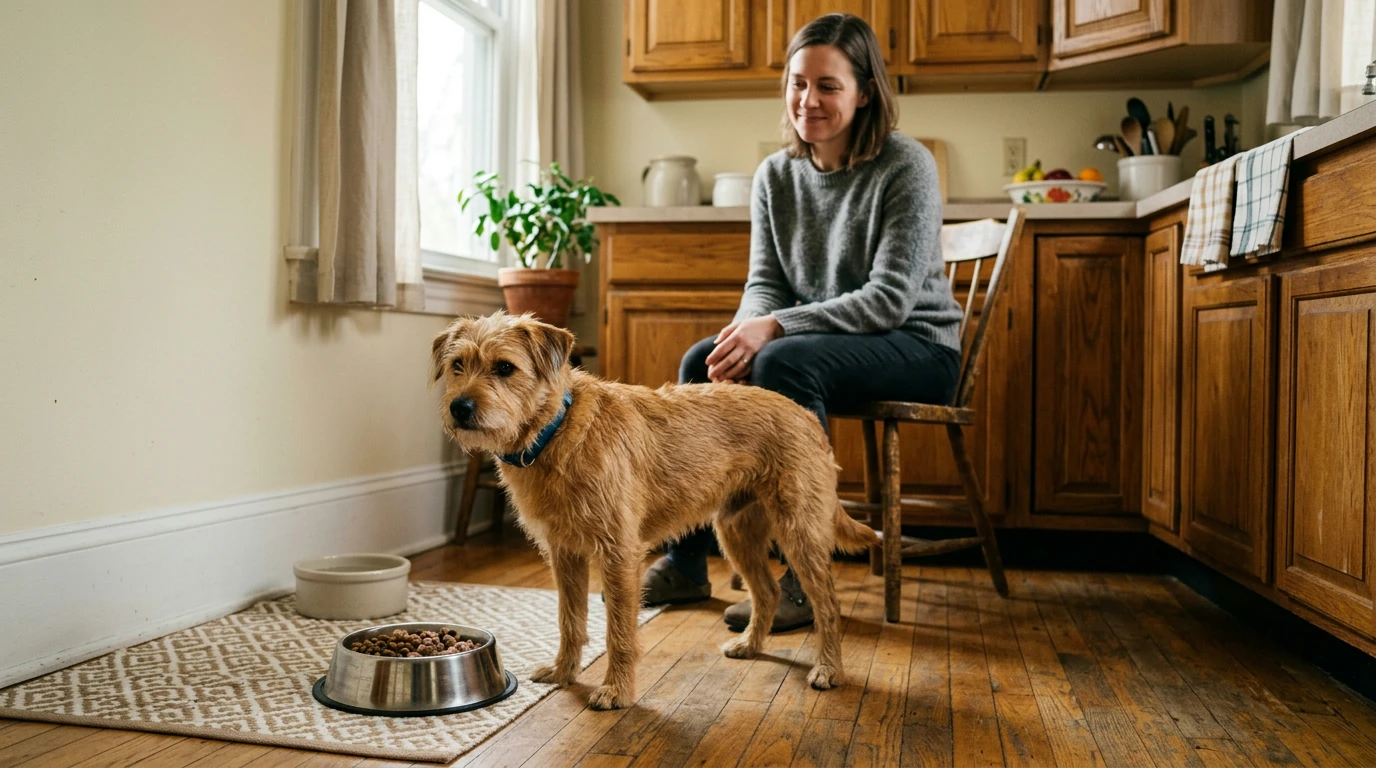
Some dogs will eat an unfamiliar food once they get hungry, but you shouldn’t count on hunger to solve a feeding problem. A dog may refuse food because of its smell, texture, or a sudden change in diet, while illness, dental pain, or stress can look like pickiness.
Check the product’s listed specifications when evaluating will dogs eventually eat food they don’t like.

What should you do if your dog refuses a new food?
If your dog is otherwise acting normally and still eats their usual food, try offering a smaller amount of the new food mixed with the old food rather than making an immediate switch. Our guide to changing your pet’s food safely explains a gradual approach, and our How to Change Your Pet’s Food Safely checklist can help you keep the transition organized.

Featured in this guide
How to Change Your Pet’s Food Safely – Easy Checklist for Switching Pet Food Safely, Stress-Free Feeding Transition Guide
When is waiting the wrong approach?
Don’t try to “wait out” a dog that suddenly stops eating a familiar food, especially if they also have vomiting, diarrhea, low energy, or signs of pain. Contact your veterinarian promptly if your dog refuses all food, and seek advice sooner for a puppy, a dog with a medical condition, or one who seems unwell.
Check the product’s listed specifications when evaluating when is waiting the wrong approach.
How can you tell preference from a problem?
Notice whether your dog rejects only the new food or also turns away from familiar meals and treats, and keep track of how long they’ve gone without eating. If they seem eager to eat but struggle to chew, drop food, or back away from the bowl, a veterinary check is more useful than trying different flavors.
FAQ
Will a dog starve themselves if they don’t like their food?
Many healthy dogs will eventually eat a food they simply dislike, but refusal can also signal a health issue, so it isn’t safe to assume your dog is holding out. If they won’t eat any food or show other symptoms, call your veterinarian rather than relying on hunger to change their mind.
See if How to Change Your Pet’s Food Safely – Easy Checklist for Switching Pet Food Safely, Stress-Free Feeding Transition Guide fits your setup
Was this article helpful?
Yes
No








Leave a comment