-
Shop
- Advanced Technologies
- AI Skills Mastery 2026 Collection
- Apple Accessories
- Baby & Toddler
- Baking & Desserts
- Bathroom
- Black Friday
- Budget Travel
- Car Accessories
- Clean & DIY Beauty
- Cleaning & Home Care
- Dating & Social Skills
- Digital Resources
- AI & Technology
- Beauty
- Budgeting & Saving
- Car Buying & Ownership
- Cozy Feast Collection
- Electronics & Technology
- Entrepreneurship & Business Growth
- Financial Education
- Financial Independence
- Financial Mindset & Psychology
- Goal Setting
- Home Styling & Organization
- Kitchen & Recipes
- Leadership
- Mindfulness
- Mindset
- Online Business
- Parenting & Child Development
- Personal Style & Fashion
- Pet Lifestyle & Wellness
- Positive Thinking
- Sleep Improvement
- Smart Life with AI
- Stress Management & Relaxation
- Travel Planning
- Wellness
- Yoga & Fitness
- Yoga & Mind-Body Practices
- Education & Learning
- Family & Parenting
- Family Travel
- Fashion
- Accessories
- Alexander McQueen
- Bags
- Bags & Wallets
- Balenciaga
- Belts
- Blazers
- Blouses & Shirts
- Bottega Veneta
- Bottoms
- Brunello Cucinelli
- Burberry
- Chanel
- Chloé
- Clothing
- Dior
- Dolce & Gabbana
- Dresses
- Etro
- Fendi
- Gucci
- Hats & Hair Accessories
- Hoodies & Sweatshirts
- Jacquemus
- Jewelry
- Jil Sander
- Keychains
- Kiton
- Luggage
- Luggage Bags
- Miu Miu
- Off-White
- Outerwear
- Prada
- Rick Owens
- Saint Laurent
- Scarves
- Socks & Tights
- Sweaters & Cardigans
- The Row
- Tom Ford
- Tops & Shirts
- Valentino
- Valentino Garavani
- Versace
- Vivienne Westwood
- Watches
- Fashion Accessories
- Furniture
- Gadgets
- Halloween
- Health & Beauty
- Health & Wellness
- Home & Garden
- Home Electronics
- Home Supplies
- Kids & Babies
- Kitchen
- Lighting
- Party Planning & Hosting
- Patio, Lawn & Garden
- Personal Growth
- Pet Care
- Pet Supplies
- Pets
- Relationships & Dating
- Self-Care
- Shoes
- Smart Amazon Shopping
- Smart Home Living Guides
- Sport & Outdoors
- Super Deals
- Thanksgiving
- TikTok Growth & Monetization Mastery
- Travel
- Wealth
- Wealth Building
Will My Dog Starve Herself If She Dislikes Her Food?
35% off on product page · save $2.69
Will My Dog Starve Herself If She Dislikes Her Food?
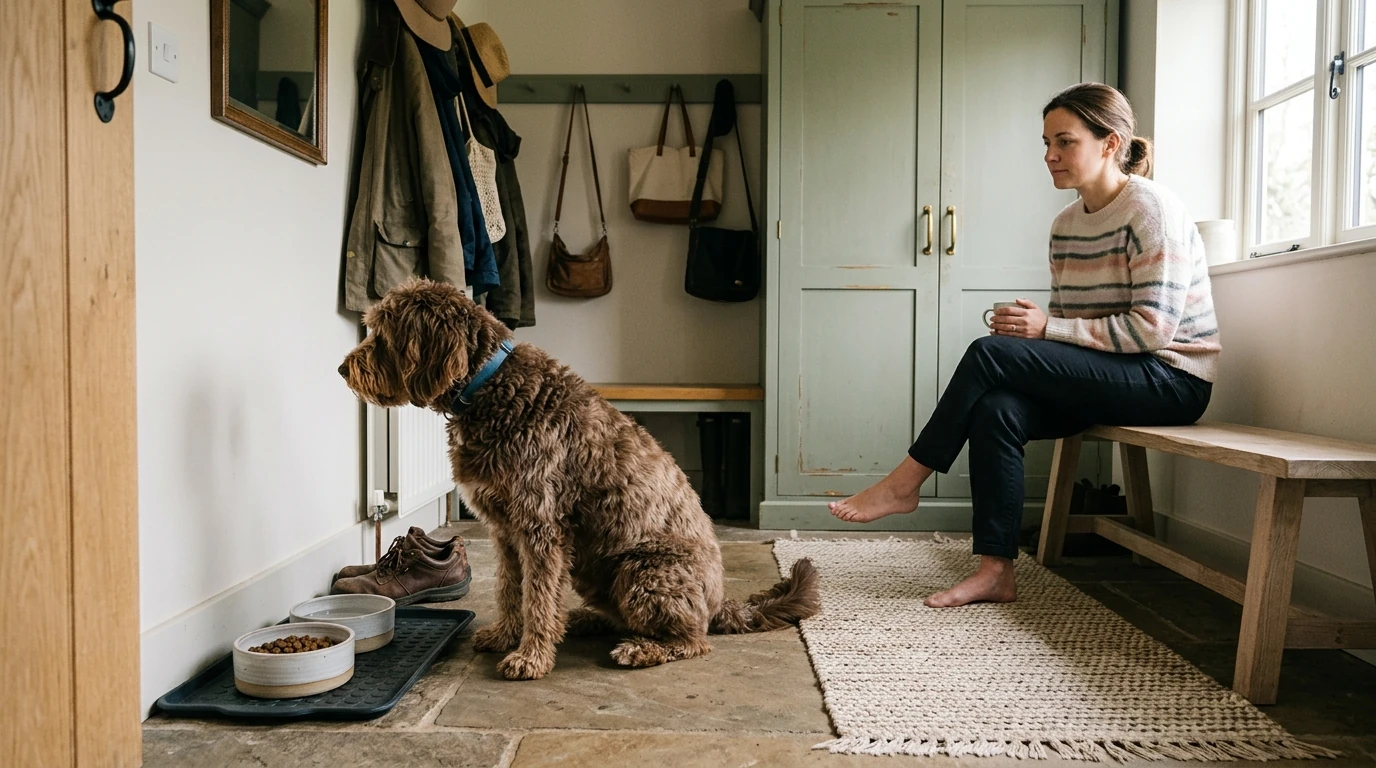
Will your dog eat when she gets hungry enough?
A healthy adult dog may skip a meal because she dislikes a food, but you should not assume she will eventually eat it or let her go without food to test that idea. Refusing food can also signal nausea, dental pain, stress, or another health problem, so pay attention to how she acts as well as what remains in her bowl.

When should you call your veterinarian?
Contact your veterinarian if your adult dog has not eaten for about 24 hours, or sooner if she seems unusually tired, vomits, has diarrhea, appears painful, or will not drink. Puppies, very small dogs, and dogs with medical conditions may need help much sooner; if you are unsure how long your dog can safely wait, call your veterinarian rather than withholding food.
Featured in this guide
How to Change Your Pet’s Food Safely – Easy Checklist for Switching Pet Food Safely, Stress-Free Feeding Transition Guide
What can you try at the next meal?
Offer a measured portion at a regular mealtime in a calm spot, then pick up the bowl after a reasonable opportunity to eat instead of leaving food out all day. Check that the food smells fresh, the bowl is clean, and treats or table scraps are not filling her up; avoid repeatedly replacing refused meals with especially tempting extras.
Could a food change be the problem?
If your dog started refusing meals after you changed foods, a sudden switch may be part of the issue, especially if she also has an upset stomach. Our How to Change Your Pet’s Food Safely checklist covers a gradual transition, but ask your veterinarian how to proceed if your dog is already refusing food or showing symptoms.
How do you tell pickiness from illness?
A dog who ignores her usual food but eagerly accepts treats may have developed a preference, yet that pattern does not rule out discomfort or disease. Our team recommends noting when she last ate a normal meal, whether she is drinking, and any changes in energy, stool, or behavior so you can give your veterinarian a clear picture if the refusal continues.
Check the product’s listed specifications when evaluating how do you tell pickiness from illness.
FAQ
Will my dog starve himself if he doesn’t like his food?
Do not rely on hunger to make your dog accept a food he dislikes. A missed meal may be minor for some healthy adult dogs, but continued refusal or any signs of illness warrant a call to your veterinarian.
What to do when your dog doesn’t like their food?
First, make sure the food is fresh and offer it on a consistent schedule while limiting treats between meals. If the refusal follows a food change, consider a gradual transition; if your dog still will not eat or seems unwell, contact your veterinarian.
See if How to Change Your Pet’s Food Safely – Easy Checklist for Switching Pet Food Safely, Stress-Free Feeding Transition Guide fits your setup
Was this article helpful?
Yes
No







Leave a comment