-
Shop
- Advanced Technologies
- AI Skills Mastery 2026 Collection
- Apple Accessories
- Baby & Toddler
- Baking & Desserts
- Bathroom
- Black Friday
- Budget Travel
- Car Accessories
- Clean & DIY Beauty
- Cleaning & Home Care
- Dating & Social Skills
- Digital Resources
- AI & Technology
- Beauty
- Budgeting & Saving
- Car Buying & Ownership
- Cozy Feast Collection
- Electronics & Technology
- Entrepreneurship & Business Growth
- Financial Education
- Financial Independence
- Financial Mindset & Psychology
- Goal Setting
- Home Styling & Organization
- Kitchen & Recipes
- Leadership
- Mindfulness
- Mindset
- Online Business
- Parenting & Child Development
- Personal Style & Fashion
- Pet Lifestyle & Wellness
- Positive Thinking
- Sleep Improvement
- Smart Life with AI
- Stress Management & Relaxation
- Travel Planning
- Wellness
- Yoga & Fitness
- Yoga & Mind-Body Practices
- Education & Learning
- Family & Parenting
- Family Travel
- Fashion
- Accessories
- Alexander McQueen
- Bags
- Bags & Wallets
- Balenciaga
- Belts
- Blazers
- Blouses & Shirts
- Bottega Veneta
- Bottoms
- Brunello Cucinelli
- Burberry
- Chanel
- Chloé
- Clothing
- Dior
- Dolce & Gabbana
- Dresses
- Etro
- Fendi
- Gucci
- Hats & Hair Accessories
- Hoodies & Sweatshirts
- Jacquemus
- Jewelry
- Jil Sander
- Keychains
- Kiton
- Luggage
- Luggage Bags
- Miu Miu
- Off-White
- Outerwear
- Prada
- Rick Owens
- Saint Laurent
- Scarves
- Socks & Tights
- Sweaters & Cardigans
- The Row
- Tom Ford
- Tops & Shirts
- Valentino
- Valentino Garavani
- Versace
- Vivienne Westwood
- Watches
- Fashion Accessories
- Furniture
- Gadgets
- Halloween
- Health & Beauty
- Health & Wellness
- Home & Garden
- Home Electronics
- Home Supplies
- Kids & Babies
- Kitchen
- Lighting
- Party Planning & Hosting
- Patio, Lawn & Garden
- Personal Growth
- Pet Care
- Pet Supplies
- Pets
- Relationships & Dating
- Self-Care
- Shoes
- Smart Amazon Shopping
- Smart Home Living Guides
- Sport & Outdoors
- Super Deals
- Thanksgiving
- TikTok Growth & Monetization Mastery
- Travel
- Wealth
- Wealth Building
10 Dangerous Foods for Dogs and What to Do If They Eat One
35% off on product page · save $2.69
10 Dangerous Foods for Dogs and What to Do If They Eat One
10 foods to keep away from dogs
Some foods can poison a dog, while others can cause choking, intestinal injury, or a dangerous blockage. We recommend keeping these 10 hazards out of reach and asking everyone in your household not to share them with your dog.
- Xylitol: This sweetener, sometimes labeled “birch sugar,” can cause a sudden drop in blood sugar and liver damage. It may be in sugar-free gum, candy, and some baked goods.
- Grapes and raisins: These can cause kidney failure in dogs, and a safe amount has not been established. Keep trail mix and raisin-filled baked goods away, too.
- Chocolate: Chocolate contains compounds that can affect a dog’s heart and nervous system. Dark chocolate and baking chocolate are especially hazardous.
- Onions and garlic: Raw, cooked, dried, and powdered forms can damage a dog’s red blood cells. Watch for them in sauces, soups, and seasoned leftovers.
- Macadamia nuts: These can cause weakness, vomiting, tremors, and difficulty walking. Cookies containing macadamia nuts may also contain chocolate.
- Alcohol: Drinks and alcohol-containing foods can cause serious poisoning. Even a small serving can be dangerous for a dog.
- Caffeine: Coffee, tea, energy drinks, and caffeine-containing foods can cause agitation, a rapid heart rate, and other serious symptoms. Keep used coffee grounds secure as well.
- Raw yeast dough: Dough can expand in the stomach and produce alcohol as it ferments. Don’t leave rising dough where your dog can reach it.
- Moldy food: Spoiled foods can contain toxins that cause severe tremors or seizures. Secure your trash and compost containers.
- Cooked bones: These can splinter or become lodged, causing choking or digestive-tract injury. Dispose of bones promptly after meals.

What to do if your dog eats one
Call your veterinarian or an animal poison control service right away, even if your dog seems fine; symptoms may take time to appear. Tell them what your dog ate, approximately how much, and when, and keep the packaging if you have it. Don’t induce vomiting or give a home remedy unless a veterinary professional tells you to.
Check the product’s listed specifications when evaluating what to do if your dog eats one.

Featured in this guide
How to Change Your Pet’s Food Safely – Easy Checklist for Switching Pet Food Safely, Stress-Free Feeding Transition Guide
Safer feeding habits
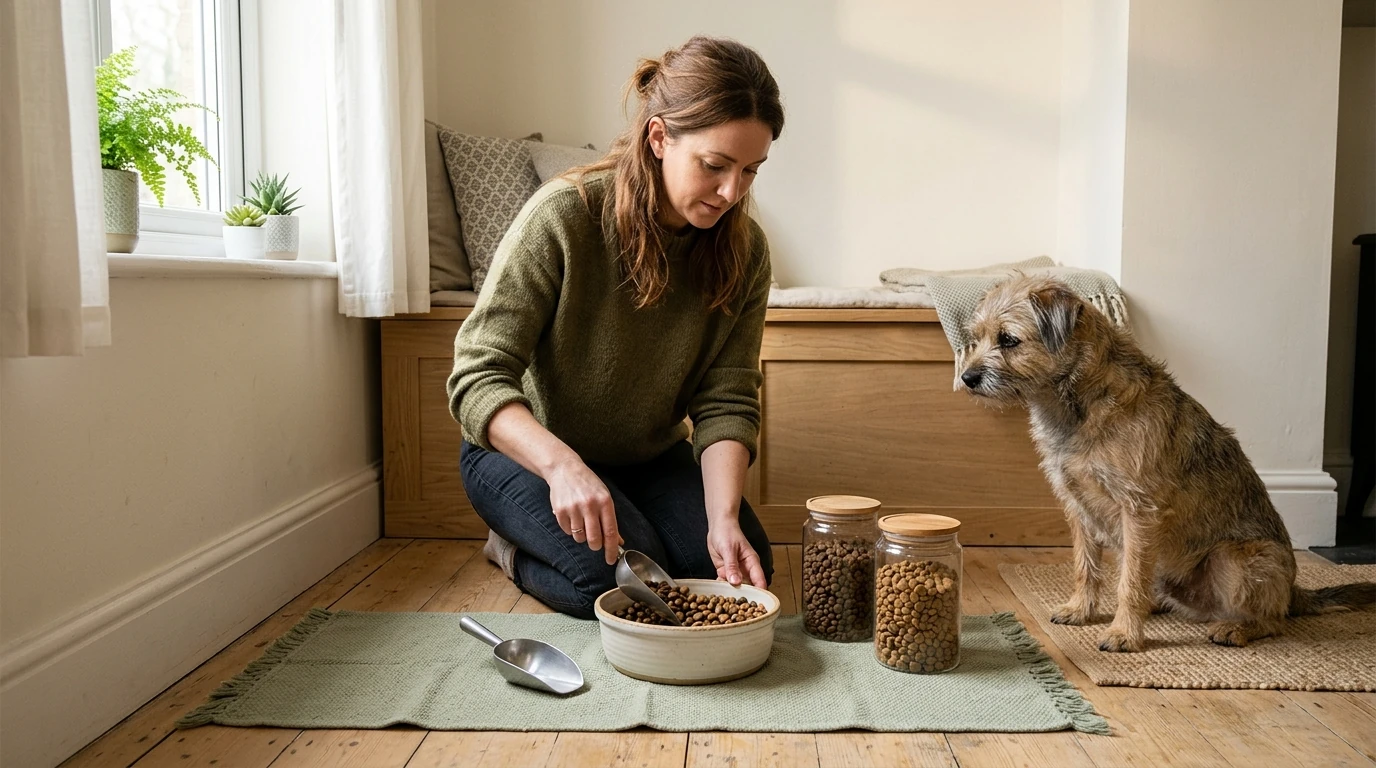
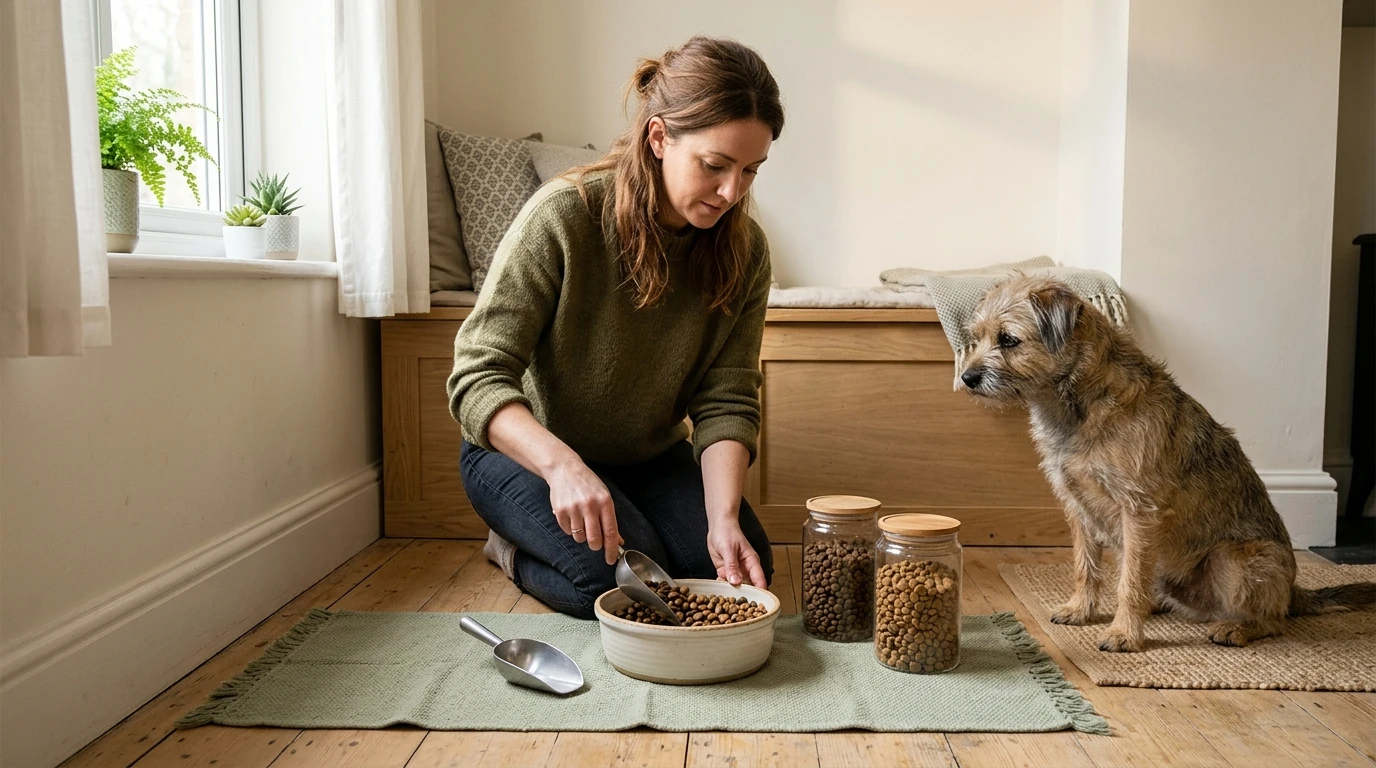
Store risky foods in closed cabinets, clear plates promptly, and offer treats made for dogs instead of sharing unfamiliar leftovers. If you’re changing your dog’s regular food rather than offering a treat, our How to Change Your Pet’s Food Safely guide and featured How to Change Your Pet’s Food Safely – Easy Checklist for Switching Pet Food Safely, Stress-Free Feeding Transition Guide can help you plan the switch; neither makes a dangerous human food safe to feed.
See if How to Change Your Pet’s Food Safely – Easy Checklist for Switching Pet Food Safely, Stress-Free Feeding Transition Guide fits your setup
Was this article helpful?
Yes
No







Leave a comment