-
Shop
- Advanced Technologies
- AI Skills Mastery 2026 Collection
- Apple Accessories
- Baby & Toddler
- Baking & Desserts
- Bathroom
- Budget Travel
- Car Accessories
- Clean & DIY Beauty
- Cleaning & Home Care
- Dating & Social Skills
- Digital Resources
- AI & Technology
- Beauty
- Budgeting & Saving
- Car Buying & Ownership
- Cozy Feast Collection
- Electronics & Technology
- Entrepreneurship & Business Growth
- Financial Education
- Financial Independence
- Financial Mindset & Psychology
- Goal Setting
- Home Styling & Organization
- Kitchen & Recipes
- Leadership
- Mindfulness
- Mindset
- Online Business
- Parenting & Child Development
- Personal Style & Fashion
- Pet Lifestyle & Wellness
- Positive Thinking
- Sleep Improvement
- Smart Life with AI
- Stress Management & Relaxation
- Travel Planning
- Wellness
- Yoga & Fitness
- Yoga & Mind-Body Practices
- Education & Learning
- Family & Parenting
- Family Travel
- Fashion
- Accessories
- Alexander McQueen
- Bags
- Bags & Wallets
- Balenciaga
- Belts
- Blazers
- Blouses & Shirts
- Bottega Veneta
- Bottoms
- Brunello Cucinelli
- Burberry
- Chanel
- Chloé
- Clothing
- Dior
- Dolce & Gabbana
- Dresses
- Etro
- Fendi
- Gucci
- Hats & Hair Accessories
- Hoodies & Sweatshirts
- Jacquemus
- Jewelry
- Jil Sander
- Keychains
- Kiton
- Luggage
- Luggage Bags
- Miu Miu
- Off-White
- Outerwear
- Prada
- Rick Owens
- Saint Laurent
- Scarves
- Socks & Tights
- Sweaters & Cardigans
- The Row
- Tom Ford
- Tops & Shirts
- Valentino
- Valentino Garavani
- Versace
- Vivienne Westwood
- Watches
- Fashion Accessories
- Furniture
- Gadgets
- Halloween
- Health & Beauty
- Health & Wellness
- Home & Garden
- Home Electronics
- Home Supplies
- Kids & Babies
- Kitchen
- Lighting
- Party Planning & Hosting
- Patio, Lawn & Garden
- Personal Growth
- Pet Care
- Pet Supplies
- Pets
- Relationships & Dating
- Self-Care
- Shoes
- Smart Amazon Shopping
- Sport & Outdoors
- Super Deals
- Thanksgiving
- Travel
- Wealth
- Wealth Building
Are Slow Feeders Good for Dogs? Benefits and Tips
83% off on product page · save $55.47
Are Slow Feeders Good for Dogs? Benefits and Tips
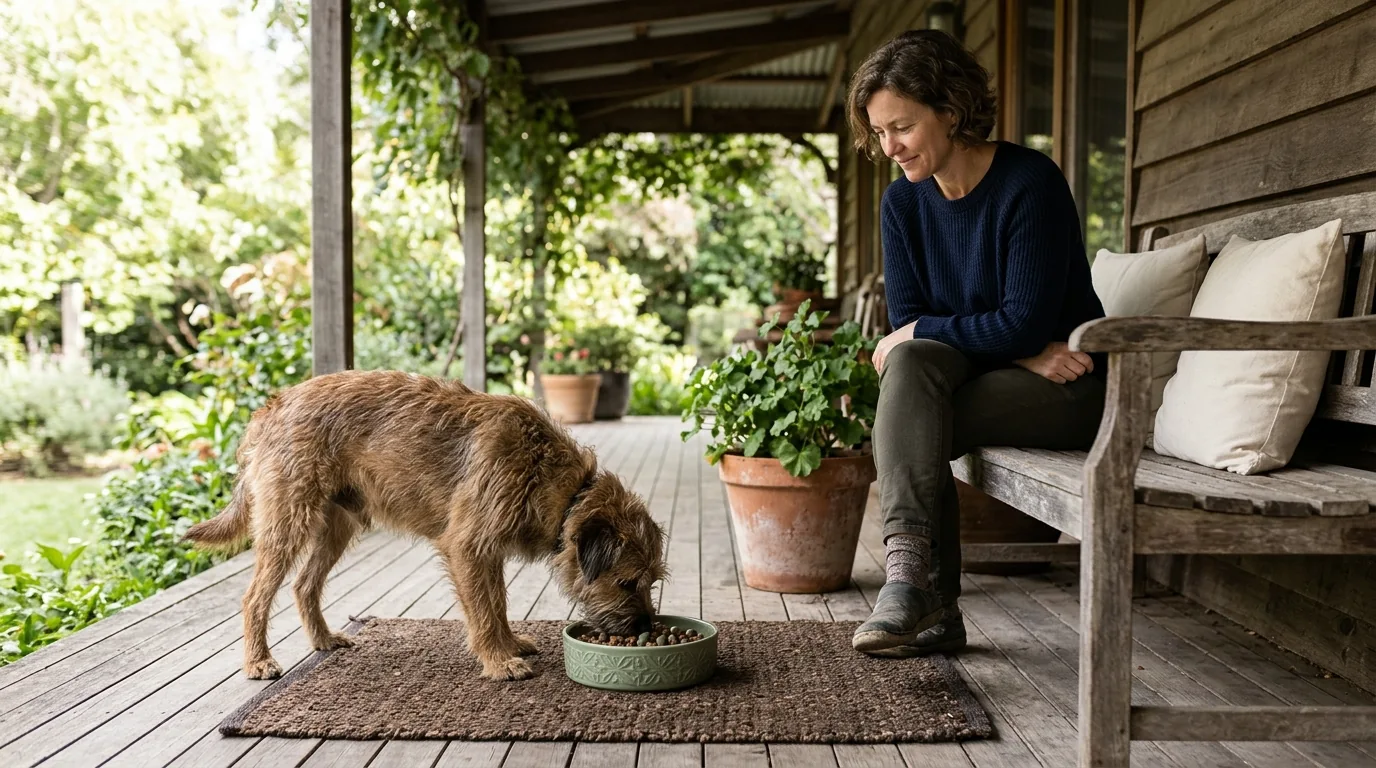
Can slow feeders help dogs?
Yes, slow feeders can be good for dogs that eat too quickly: the obstacles in the bowl encourage them to work around their food rather than gulping it down in a few bites. A slower meal may help reduce gulping and make mealtime more engaging, although the right bowl depends on your dog’s size, eating style, and comfort.
Check the product’s listed specifications when evaluating can slow feeders help dogs.

Which dogs may benefit most?
You might consider a slow feeder if your dog finishes meals very quickly, swallows large mouthfuls, or seems eager for a little more activity during feeding. If your dog already eats comfortably at a moderate pace, a standard bowl may work just as well; there is no need to make every meal more challenging.
Check the product’s listed specifications when evaluating which dogs may benefit most.
Featured in this guide
Adjustable Elevated Slow Feeder Dog & Cat Bowl – Raised Food & Water Dish
How do you choose a comfortable bowl?
Look for a design that lets your dog reach the food without pressing their nose hard against the bowl, and choose obstacles that suit their muzzle and tongue. Our Adjustable Elevated Slow Feeder Dog & Cat Bowl combines a raised dish with a slow-feeder design; for more context on this style, see our guide to elevated slow feeder bowls.
Check the product’s listed specifications when evaluating how do you choose a comfortable bowl.
How should you introduce a slow feeder?
Start with a familiar meal and supervise your dog as they eat, giving them time to figure out the bowl without rushing or encouraging them to force their way through the obstacles. If your dog becomes frustrated, stops eating, or rubs their face against the bowl, try a simpler design or return to their regular dish and ask your veterinarian for guidance.
Check the product’s listed specifications when evaluating how should you introduce a slow feeder.
What about cleaning and safety?
Wash the bowl after meals, paying attention to grooves where food and saliva can collect, and follow the manufacturer’s care directions for the materials. Keep the bowl stable while your dog eats, inspect it regularly for damage, and discuss persistent vomiting, coughing during meals, or other feeding concerns with your veterinarian.
See if Adjustable Elevated Slow Feeder Dog & Cat Bowl – Raised Food & Water Dish fits your setup
Was this article helpful?
Yes
No






Leave a comment