-
Shop
- Advanced Technologies
- AI Skills Mastery 2026 Collection
- Apple Accessories
- Baby & Toddler
- Baking & Desserts
- Bathroom
- Budget Travel
- Car Accessories
- Clean & DIY Beauty
- Cleaning & Home Care
- Dating & Social Skills
- Digital Resources
- AI & Technology
- Beauty
- Budgeting & Saving
- Car Buying & Ownership
- Cozy Feast Collection
- Electronics & Technology
- Entrepreneurship & Business Growth
- Financial Education
- Financial Independence
- Financial Mindset & Psychology
- Goal Setting
- Home Styling & Organization
- Kitchen & Recipes
- Leadership
- Mindfulness
- Mindset
- Online Business
- Parenting & Child Development
- Personal Style & Fashion
- Pet Lifestyle & Wellness
- Positive Thinking
- Sleep Improvement
- Smart Life with AI
- Stress Management & Relaxation
- Travel Planning
- Wellness
- Yoga & Fitness
- Yoga & Mind-Body Practices
- Education & Learning
- Family & Parenting
- Family Travel
- Fashion
- Accessories
- Alexander McQueen
- Bags
- Bags & Wallets
- Balenciaga
- Belts
- Blazers
- Blouses & Shirts
- Bottega Veneta
- Bottoms
- Brunello Cucinelli
- Burberry
- Chanel
- Chloé
- Clothing
- Dior
- Dolce & Gabbana
- Dresses
- Etro
- Fendi
- Gucci
- Hats & Hair Accessories
- Hoodies & Sweatshirts
- Jacquemus
- Jewelry
- Jil Sander
- Keychains
- Kiton
- Luggage
- Luggage Bags
- Miu Miu
- Off-White
- Outerwear
- Prada
- Rick Owens
- Saint Laurent
- Scarves
- Socks & Tights
- Sweaters & Cardigans
- The Row
- Tom Ford
- Tops & Shirts
- Valentino
- Valentino Garavani
- Versace
- Vivienne Westwood
- Watches
- Fashion Accessories
- Furniture
- Gadgets
- Halloween
- Health & Beauty
- Health & Wellness
- Home & Garden
- Home Electronics
- Home Supplies
- Kids & Babies
- Kitchen
- Lighting
- Party Planning & Hosting
- Patio, Lawn & Garden
- Personal Growth
- Pet Care
- Pet Supplies
- Pets
- Relationships & Dating
- Self-Care
- Shoes
- Smart Amazon Shopping
- Sport & Outdoors
- Super Deals
- Thanksgiving
- Travel
- Wealth
- Wealth Building
Elevated Slow Feeder Bowls: Finding the Right Fit
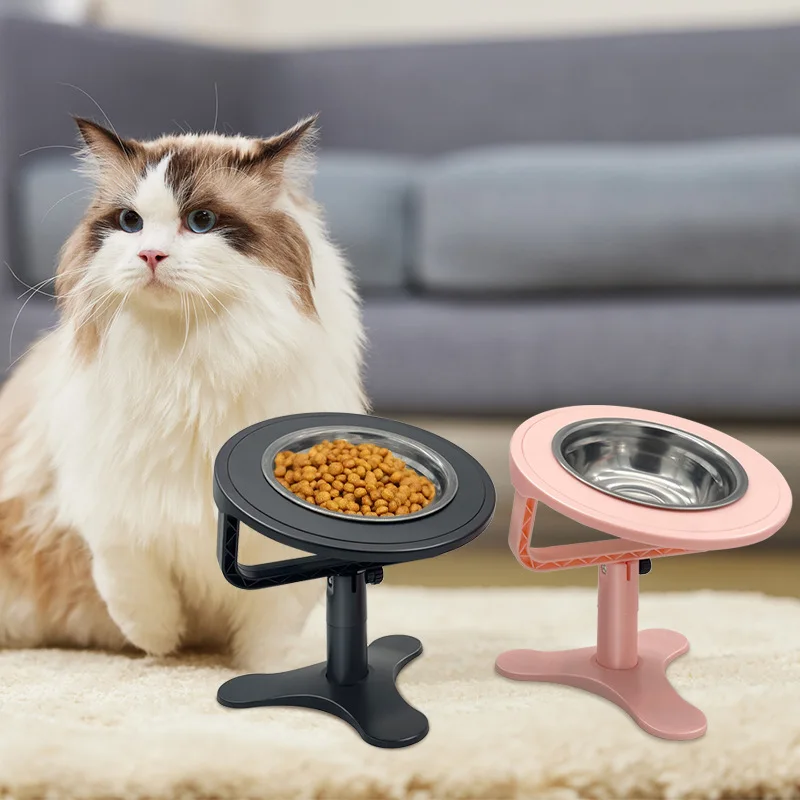
83% off on product page · save $55.47
Elevated Slow Feeder Bowls: Finding the Right Fit
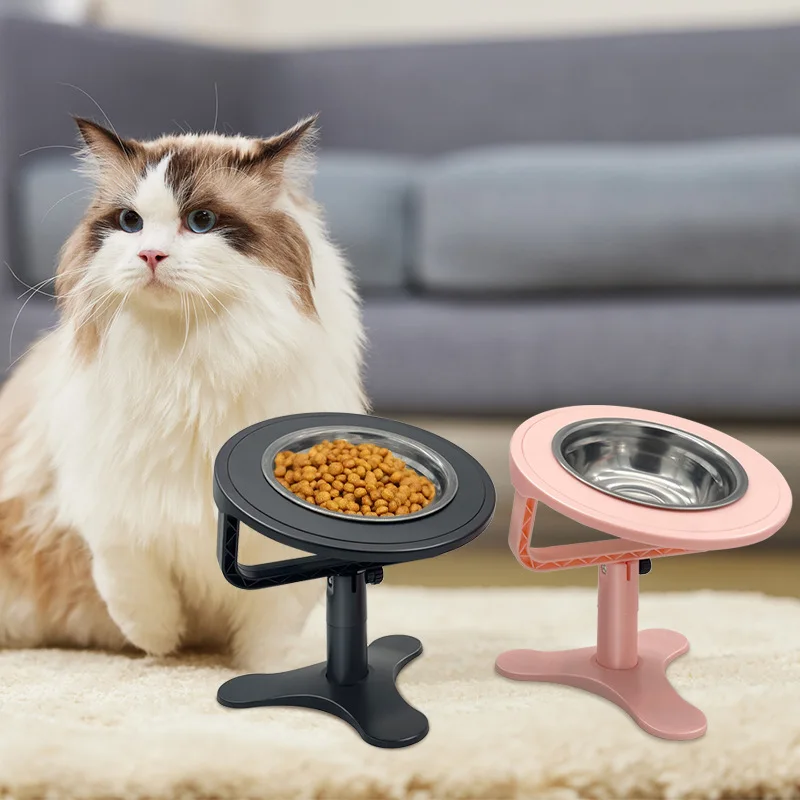
What this bowl brings to the feeding area
A slow feeder puts obstacles between your pet and their food, so they have to work around the pattern to reach each bite. That may encourage a more gradual meal, though the effect varies by pet. A determined dog might still gulp food from the open areas, while another pet might find the pattern too difficult. The goal is a steady, comfortable meal—not making your pet work as hard as possible.
This dish is listed for dogs and cats and as a food and water bowl. Before ordering, review its current dimensions and configuration to see whether it accommodates your pet’s usual portion and preferred eating position. A pattern that works well for dry food may feel different with wet food or water, so pay attention to the meal you plan to serve most often.
Check the product’s listed specifications when evaluating what this bowl brings to the feeding area.

Make two fit decisions
First, choose a comfortable height. Your dog or cat should be able to eat in a relaxed position without stretching upward or crouching awkwardly. The highest setting is not necessarily the best one.
Then, assess access to food. Consider your pet’s face shape and usual portion. Watch for food left out of reach, persistent pawing, or frustration. A bowl that slows a meal only helps when your pet can still eat comfortably.
If your dog is at risk of gastric dilatation-volvulus, or bloat, ask your veterinarian about bowl height and your feeding routine before making a change. Do not use an elevated bowl as a way to prevent bloat.

Featured in this guide
Adjustable Elevated Slow Feeder Dog & Cat Bowl – Raised Food & Water Dish
Try it without turning dinner into a test
Start with a small portion of familiar food placed where your pet can reach it easily. Give them time to investigate, and stay nearby for the first few meals. If they gulp around the obstacles, struggle to reach food, or give up, return to their regular dish and reconsider whether this pattern suits them.
Consider the meal you plan to serve most often: dry food, wet food, and water may feel different to your pet in the same bowl. Wash food-contact surfaces after meals, paying attention to grooves where residue can collect, and follow the care instructions for the bowl’s materials.
How to introduce a slow feeder without mealtime stress
Begin with a small portion of familiar food and give your pet time to investigate the bowl. You can make the first try easier by placing food where it is readily visible and reachable. There is no need to turn dinner into a test: if your pet hesitates, let them explore briefly and offer their meal in a regular dish.
Stay nearby for the first few meals. Watch whether your pet eats steadily, leaves food trapped in the pattern, paws at the bowl, or gives up. If eating becomes difficult or upsetting, switch back to their usual dish and reassess the slow-feeder design. A feeder is useful only when your pet can use it comfortably.
Wash the bowl after meals, especially around grooves and obstacles where food can remain. Follow the product’s care instructions for its materials. Keeping those surfaces clean matters whether you serve dry food, wet food, or water.
Finding the right fit for a dog or cat
Before choosing a setting, consider your pet’s size, muzzle or face shape, usual portion, and whether they prefer to eat standing or sitting. Then observe them using the bowl rather than relying on height alone. If they can reach the food, maintain an easy posture, and finish without distress, you have a better indication that the setup works for them.
For cats, access to the food matters as much as the raised position. Some cats may be bothered when their whiskers press against the sides of a dish; others show no obvious concern. Watch your own cat’s response. International Cat Care’s feeding guidance offers more context for building a routine around an individual cat’s needs.
Check the product’s listed specifications when evaluating finding the right fit for a dog or cat.
Compare related options such as How to Change Your Pet’s Food Safely – Easy Checklist for Switching Pet Food Safely, Stress-Free Feeding Transition Guide to match features, dimensions, and use case before choosing.
FAQ
What do vets say about elevated dog bowls?
Recommendations depend on the dog and their medical history. If your dog is at risk of bloat, ask your veterinarian about bowl height rather than assuming elevation is protective.
Do vets recommend slow feeders?
A veterinarian may suggest a slow feeder for an individual dog, but it is not the right choice for every pet. Ask yours if you have concerns about your dog’s eating pace or difficulty eating.
Are slow feeders actually good for dogs?
They can help some dogs eat more gradually. Supervise the first meals and stop using a feeder that makes eating frustrating or difficult.
What are the best dog bowls for slowing down their eating?
The best option is one your dog can use comfortably while eating at a steadier pace. Consider their muzzle shape, portion size, and response to the obstacles.
Is there an elevated slow feeder for cats?
Yes. Our Adjustable Elevated Slow Feeder Dog & Cat Bowl is listed for cats as well as dogs; confirm its dimensions and watch whether your cat can reach food comfortably.
See if Adjustable Elevated Slow Feeder Dog & Cat Bowl – Raised Food & Water Dish fits your setup
Was this article helpful?
Yes
No






Leave a comment