-
Shop
- Advanced Technologies
- AI Skills Mastery 2026 Collection
- Apple Accessories
- Baby & Toddler
- Baking & Desserts
- Bathroom
- Budget Travel
- Car Accessories
- Clean & DIY Beauty
- Cleaning & Home Care
- Dating & Social Skills
- Digital Resources
- AI & Technology
- Beauty
- Budgeting & Saving
- Car Buying & Ownership
- Cozy Feast Collection
- Electronics & Technology
- Entrepreneurship & Business Growth
- Financial Education
- Financial Independence
- Financial Mindset & Psychology
- Goal Setting
- Home Styling & Organization
- Kitchen & Recipes
- Leadership
- Mindfulness
- Mindset
- Online Business
- Parenting & Child Development
- Personal Style & Fashion
- Pet Lifestyle & Wellness
- Positive Thinking
- Sleep Improvement
- Smart Life with AI
- Stress Management & Relaxation
- Travel Planning
- Wellness
- Yoga & Fitness
- Yoga & Mind-Body Practices
- Education & Learning
- Family & Parenting
- Family Travel
- Fashion
- Accessories
- Alexander McQueen
- Bags
- Bags & Wallets
- Balenciaga
- Belts
- Blazers
- Blouses & Shirts
- Bottega Veneta
- Bottoms
- Brunello Cucinelli
- Burberry
- Chanel
- Chloé
- Clothing
- Dior
- Dolce & Gabbana
- Dresses
- Etro
- Fendi
- Gucci
- Hats & Hair Accessories
- Hoodies & Sweatshirts
- Jacquemus
- Jewelry
- Jil Sander
- Keychains
- Kiton
- Luggage
- Luggage Bags
- Miu Miu
- Off-White
- Outerwear
- Prada
- Rick Owens
- Saint Laurent
- Scarves
- Socks & Tights
- Sweaters & Cardigans
- The Row
- Tom Ford
- Tops & Shirts
- Valentino
- Valentino Garavani
- Versace
- Vivienne Westwood
- Watches
- Fashion Accessories
- Furniture
- Gadgets
- Halloween
- Health & Beauty
- Health & Wellness
- Home & Garden
- Home Electronics
- Home Supplies
- Kids & Babies
- Kitchen
- Lighting
- Party Planning & Hosting
- Patio, Lawn & Garden
- Personal Growth
- Pet Care
- Pet Supplies
- Pets
- Relationships & Dating
- Self-Care
- Shoes
- Smart Amazon Shopping
- Sport & Outdoors
- Super Deals
- Thanksgiving
- Travel
- Wealth
- Wealth Building
Fit at Home: Build a 4-Week Workout Routine
27% off on product page · save $8.01
Fit at Home: Build a 4-Week Workout Routine
Start with a routine that fits your space and schedule
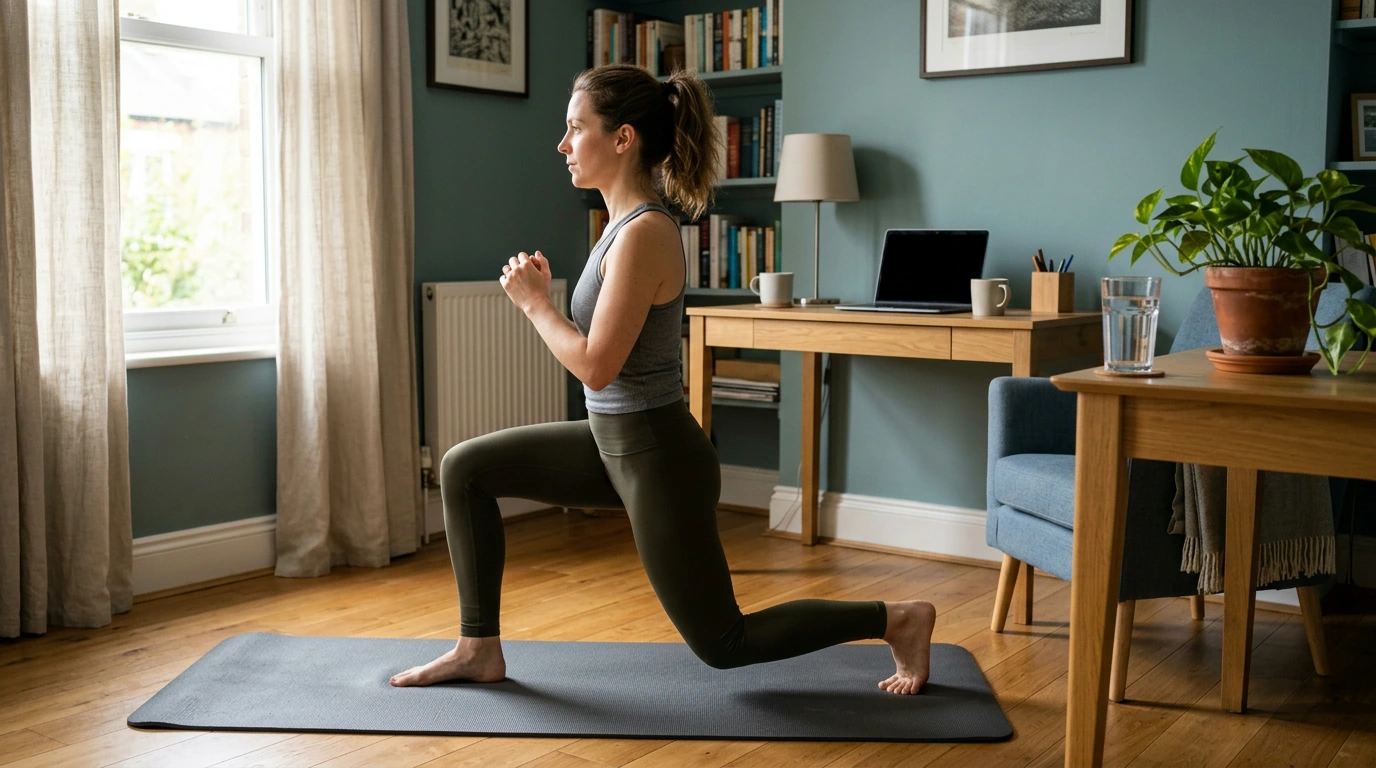
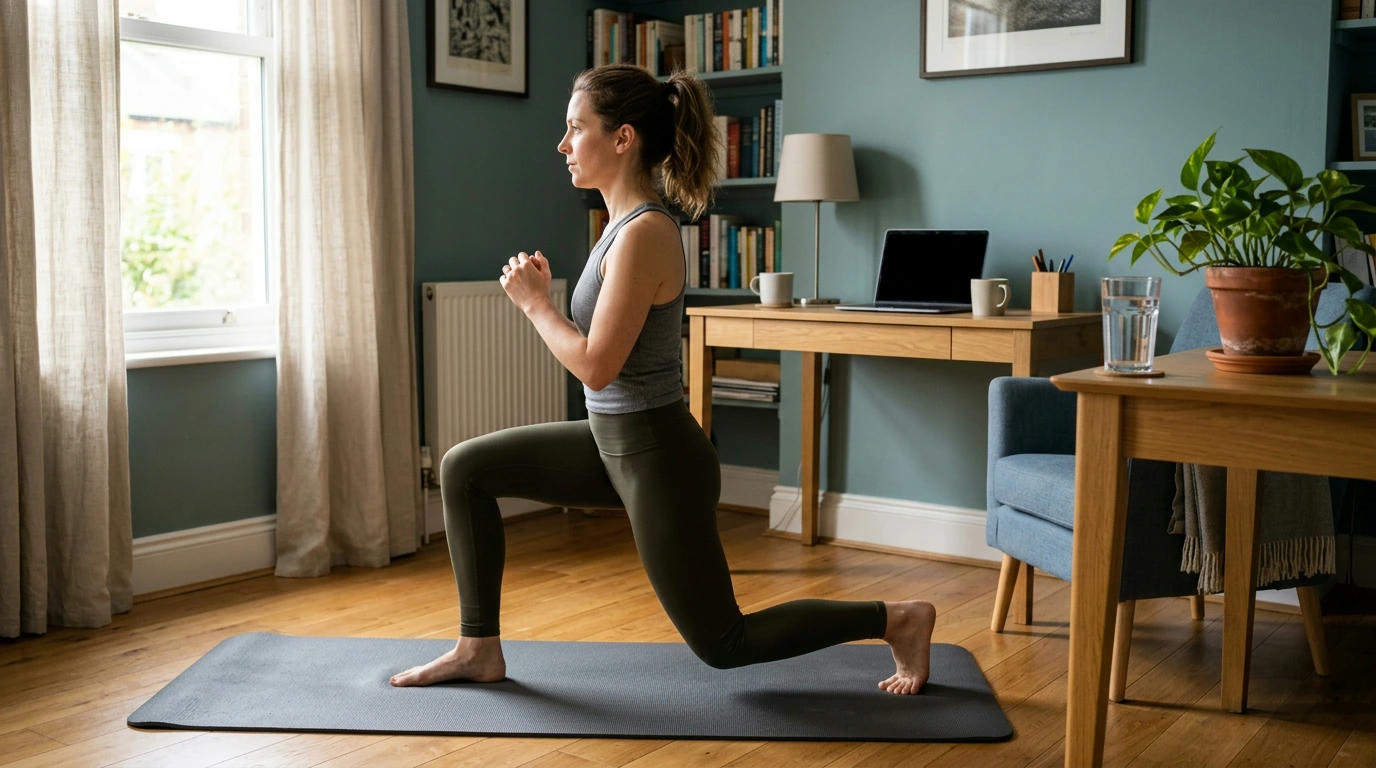
You do not need a dedicated gym to begin working out at home. A clear patch of floor, comfortable clothing, and a time slot you can usually protect are enough to get started. Choose a space where you can move without bumping into furniture, and keep water within reach.
Next, pick a workout window that fits your life. If mornings are unpredictable, an evening session may be easier to keep. Start at an effort level you could repeat next week rather than making the first few days so demanding that you dread the next session. Ten or twenty manageable minutes can be more useful for building a habit than an ambitious plan you cannot maintain.
When deciding what to do each day becomes the hard part, our Fit at Home: 4-Week Workout Plan PDF puts daily workouts and stretches together in a minimal-equipment exercise guide. You still choose the pace that works for you, but you do not have to assemble a new routine from scratch every day.
Give each week a purpose
You can use the four weeks as a simple framework: establish a time in week one, practice controlled movement in week two, adjust effort if appropriate in week three, and decide what feels sustainable in week four. That is a way to approach your month, not a description of the PDF’s exact schedule.
Progress need not mean doing more every session. Keeping a movement at a comfortable level, taking longer rests, or completing a shorter session can be the right choice for you that day.
Featured in this guide
Fit at Home: 4-Week Workout Plan | Minimal Equipment Exercise Guide PDF | Home Fitness eBook with Daily Workouts & Stretches
Make room for recovery
Begin with gentle movement before increasing your effort, and stretch only within a comfortable range. A lighter day or rest day may be more useful than another hard session after unfamiliar exercise. Stretching can help you wind down, but it does not guarantee you will avoid injury.
You can make a movement more approachable by using a smaller range of motion, slowing down, or resting longer. Change one variable at a time as you gain confidence. If a movement causes pain, stop. If you have an injury or health condition, seek individualized guidance from a qualified medical professional before starting or changing your routine.
Track what you can carry forward
Record completed sessions, including shortened ones. Notice whether movements feel more familiar and whether your chosen workout time fits alongside work, family, and rest. Those observations can help you decide what to continue after four weeks.
A fixed calorie target is less useful: expenditure varies with body size, activity, and intensity. If your household is also working on downtime habits, we offer our Teen Sleep Toolkit for Rest & Reset as a separate resource focused on teen sleep and screen-time habits.
Measure progress beyond the calorie count
A completed session is worth recording, even if you shortened it. You can also note whether a movement feels more familiar, whether you are more confident starting, and whether your workout window fits alongside work, family, and rest. Those observations can help you decide what to keep doing after four weeks.
Big calorie-burn numbers can be appealing, but they are not a dependable target for a home routine. Expenditure varies with factors such as body size, activity, and intensity; no single workout reliably burns 500 calories in 30 minutes for everyone. Instead of chasing a fixed number, aim for activity you can repeat and adjust over time.
If you would like daily workouts and stretches organized in one place, explore our Fit at Home: 4-Week Workout Plan PDF and make the next four weeks work for your schedule.

Watch · product page video
“The stretches included in this guide are fantastic! They help me relax after each workout session.”
Giovania product page · Product review
FAQ
What is fit at home?
Fit at Home is our four-week home workout plan offered as a PDF exercise guide. It brings daily workouts and stretches together around a minimal-equipment approach.
Is FitOn a free app?
FitOn is a separate fitness app, not our Fit at Home PDF. Its current free features and paid options may change, so consult FitOn directly for up-to-date details.
What burns 500 calories in 30 minutes?
No single activity reliably burns 500 calories in 30 minutes for everyone. Calorie expenditure varies with factors including body size and exercise intensity, so a repeatable routine is a better starting target.
Can you actually get fit at home?
Yes. Consistent activity at home can support fitness, and the right pace depends on your starting point. Make room for different kinds of activity and for recovery.
Is there a free PDF download for a full body gym workout book?
Yes, free full-body workout PDFs are available from some gyms, fitness organizations, and exercise educators. Before downloading one, check that it identifies the exercises, sets, reps, and rest periods—not just a list of muscle groups. A useful plan should also show how to adjust movements for your experience and available equipment.
See if Fit at Home: 4-Week Workout Plan | Minimal Equipment Exercise Guide PDF | Home Fitness eBook with Daily Workouts & Stretches fits your setup
Was this article helpful?
Yes
No








Leave a comment