-
Shop
- Advanced Technologies
- AI Skills Mastery 2026 Collection
- Apple Accessories
- Baby & Toddler
- Baking & Desserts
- Bathroom
- Budget Travel
- Car Accessories
- Clean & DIY Beauty
- Cleaning & Home Care
- Dating & Social Skills
- Digital Resources
- AI & Technology
- Beauty
- Budgeting & Saving
- Car Buying & Ownership
- Cozy Feast Collection
- Electronics & Technology
- Entrepreneurship & Business Growth
- Financial Education
- Financial Independence
- Financial Mindset & Psychology
- Goal Setting
- Home Styling & Organization
- Kitchen & Recipes
- Leadership
- Mindfulness
- Mindset
- Online Business
- Parenting & Child Development
- Personal Style & Fashion
- Pet Lifestyle & Wellness
- Positive Thinking
- Sleep Improvement
- Smart Life with AI
- Stress Management & Relaxation
- Travel Planning
- Wellness
- Yoga & Fitness
- Yoga & Mind-Body Practices
- Education & Learning
- Family & Parenting
- Family Travel
- Fashion
- Accessories
- Alexander McQueen
- Bags
- Bags & Wallets
- Balenciaga
- Belts
- Blazers
- Blouses & Shirts
- Bottega Veneta
- Bottoms
- Brunello Cucinelli
- Burberry
- Chanel
- Chloé
- Clothing
- Dior
- Dolce & Gabbana
- Dresses
- Etro
- Fendi
- Gucci
- Hats & Hair Accessories
- Hoodies & Sweatshirts
- Jacquemus
- Jewelry
- Jil Sander
- Keychains
- Kiton
- Luggage
- Luggage Bags
- Miu Miu
- Off-White
- Outerwear
- Prada
- Rick Owens
- Saint Laurent
- Scarves
- Socks & Tights
- Sweaters & Cardigans
- The Row
- Tom Ford
- Tops & Shirts
- Valentino
- Valentino Garavani
- Versace
- Vivienne Westwood
- Watches
- Fashion Accessories
- Furniture
- Gadgets
- Halloween
- Health & Beauty
- Health & Wellness
- Home & Garden
- Home Electronics
- Home Supplies
- Kids & Babies
- Kitchen
- Lighting
- Party Planning & Hosting
- Patio, Lawn & Garden
- Personal Growth
- Pet Care
- Pet Supplies
- Pets
- Relationships & Dating
- Self-Care
- Shoes
- Smart Amazon Shopping
- Sport & Outdoors
- Super Deals
- Thanksgiving
- Travel
- Wealth
- Wealth Building
Pets That Can Be Left Alone Longer: Care Planning Guide

15% off on product page · save $1.59
Pets That Can Be Left Alone Longer: Plan for Their Care, Not Just Your Schedule
What “Left Alone Longer” Really Means
A normal workday is different from an overnight absence or a multi-day trip. Even a pet that is comfortable spending time alone needs appropriate food, fresh water, a safe environment, and regular checks. Fish need working equipment and stable tank conditions. Reptiles depend on species-specific heat and lighting. A cat may need a clean litter box, enrichment, and attention when you return.
Species is only a starting point. Age, health, temperament, housing, and social needs all affect what is appropriate. A young animal, a pet taking medication, or one showing signs of distress may need more frequent hands-on care than another member of the same species. If you are unsure how to meet an individual pet’s needs, ask your veterinarian.
One boundary is clear: do not leave a dog home alone for three days. Arrange a responsible sitter, suitable boarding, or another caregiver who can provide supervision, meals, water, bathroom breaks, exercise, and companionship.
Compare the care, not a promised number of hours
Use these considerations to test how each pet’s needs would fit your usual day. None is a guarantee that an animal can be left unattended for a fixed period.
| Pet | Workday consideration | Care to plan |
|---|---|---|
| Adult cat | May suit some households when individual needs are met | Food, water, clean litter, enrichment, and daily attention |
| Fish | No walks, but tank conditions need monitoring | Stable equipment, appropriate feeding, and a knowledgeable backup |
| Reptile | Social needs vary by species | Species-specific heat, lighting, humidity, food, and equipment checks |
| Small mammal | Needs vary widely; many benefit from companionship | Suitable housing, enrichment, fresh supplies, and regular observation |
| Dog | Often needs an active midday plan | Bathroom breaks, exercise, companionship, and a walker or sitter when needed |
Featured in this guide
Pets That Can Be Left Alone Longer – Ultimate Guide for Pet Owners, eBook, and Checklist on Pets That Can Be Left Alone Longer
Build your before, during, and after routine
Before you leave: Provide species-appropriate food and water, clean the living area as needed, and offer safe enrichment. Remove loose cords and items your pet might swallow. Secure doors and enclosures, and confirm essential equipment is working.
While you are away: Give a trusted caregiver written instructions, access arrangements, your contact details, and your veterinarian’s details. Show them where supplies are kept and which changes warrant a call. Arrange someone competent to respond if work runs late, equipment fails, or your pet becomes ill.
When you return: Notice changes in eating, toileting, activity, or behavior rather than assuming that dispensed food means all went well. Contact a veterinarian if your pet seems unwell or concerns persist, and adjust the routine if your pet is struggling.
Put your decisions on a checklist
Write down your hours away, commute, travel frequency, and budget for walkers, sitters, boarding, supplies, and veterinary care. Then ask: Can you arrange a midday visit if needed? Who can provide competent care during a trip? Who is your backup if that person is unavailable?
Our Pets That Can Be Left Alone Longer eBook and checklist gives you a structured way to work through those questions before choosing a pet or changing your current routine. Use it to organize your plan, then seek species-specific advice from a veterinarian or experienced care professional. A checklist cannot determine whether your individual pet will be comfortable alone.
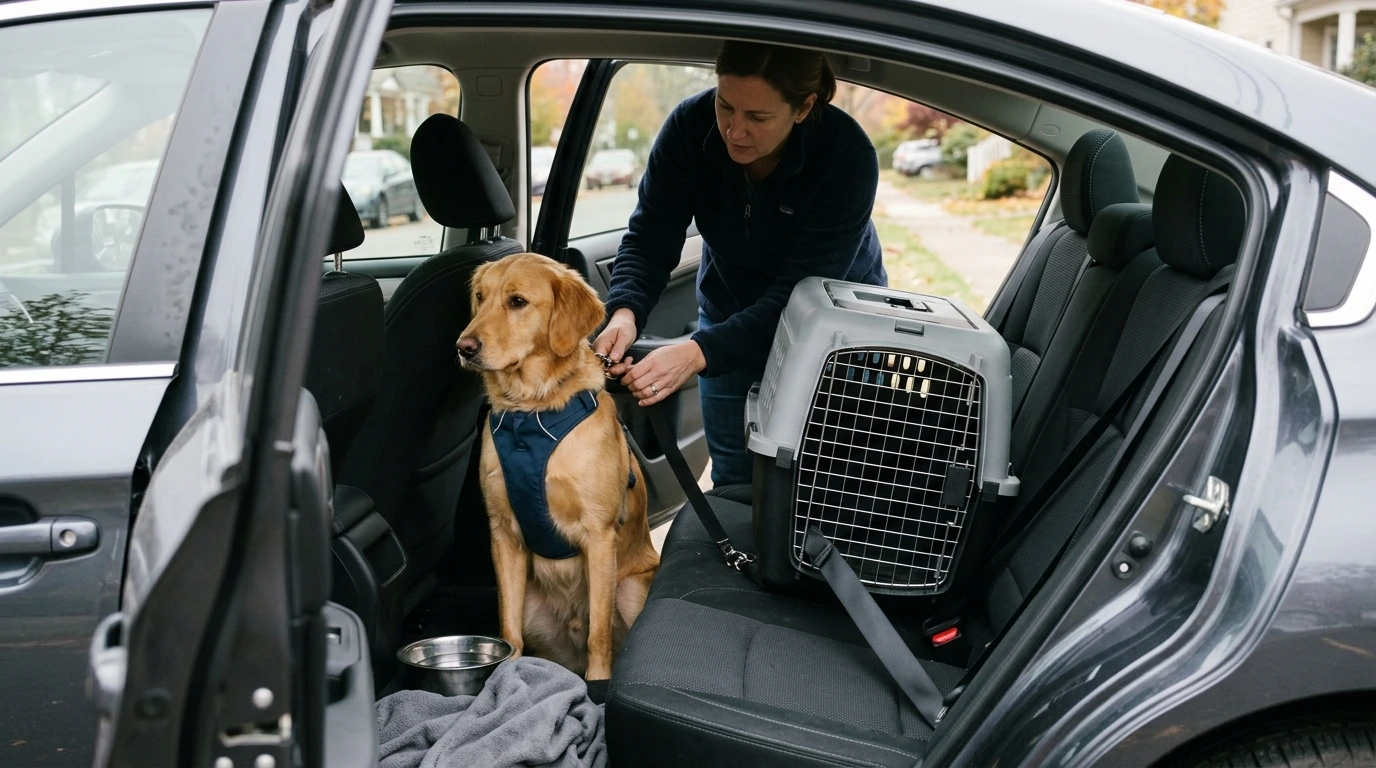
Book pet care before finalizing travel. If a long drive is also on your calendar, our guide to finding a comfortable car for long drives can help with that separate decision; it does not replace care for a pet staying home.
Before choosing, compare the product details with your daily routine, available space, care needs, and preferred setup. The strongest option is usually the one that fits the intended use clearly and remains simple to clean, store, and check before repeat use.
FAQ
What to do with a pet you can’t keep?
Explore temporary help and changes to your care plan first. If rehoming is necessary, work with a reputable rescue or shelter and provide honest health, behavior, and care details.
What is the 3-3-3 rule for pets?
It is a commonly used, informal guideline describing how newly adopted pets may adjust over their first three days, three weeks, and three months. It is not a guarantee of behavior or a rule for how long a pet can be left alone.
See if Pets That Can Be Left Alone Longer – Ultimate Guide for Pet Owners, eBook, and Checklist on Pets That Can Be Left Alone Longer fits your setup
Was this article helpful?
Yes
No








Leave a comment