-
Shop
- Advanced Technologies
- AI Skills Mastery 2026 Collection
- Apple Accessories
- Baby & Toddler
- Baking & Desserts
- Bathroom
- Budget Travel
- Car Accessories
- Clean & DIY Beauty
- Cleaning & Home Care
- Dating & Social Skills
- Digital Resources
- AI & Technology
- Beauty
- Budgeting & Saving
- Car Buying & Ownership
- Cozy Feast Collection
- Electronics & Technology
- Entrepreneurship & Business Growth
- Financial Education
- Financial Independence
- Financial Mindset & Psychology
- Goal Setting
- Home Styling & Organization
- Kitchen & Recipes
- Leadership
- Mindfulness
- Mindset
- Online Business
- Parenting & Child Development
- Personal Style & Fashion
- Pet Lifestyle & Wellness
- Positive Thinking
- Sleep Improvement
- Smart Life with AI
- Stress Management & Relaxation
- Travel Planning
- Wellness
- Yoga & Fitness
- Yoga & Mind-Body Practices
- Education & Learning
- Family & Parenting
- Family Travel
- Fashion
- Accessories
- Alexander McQueen
- Bags
- Bags & Wallets
- Balenciaga
- Belts
- Blazers
- Blouses & Shirts
- Bottega Veneta
- Bottoms
- Brunello Cucinelli
- Burberry
- Chanel
- Chloé
- Clothing
- Dior
- Dolce & Gabbana
- Dresses
- Etro
- Fendi
- Gucci
- Hats & Hair Accessories
- Hoodies & Sweatshirts
- Jacquemus
- Jewelry
- Jil Sander
- Keychains
- Kiton
- Luggage
- Luggage Bags
- Miu Miu
- Off-White
- Outerwear
- Prada
- Rick Owens
- Saint Laurent
- Scarves
- Socks & Tights
- Sweaters & Cardigans
- The Row
- Tom Ford
- Tops & Shirts
- Valentino
- Valentino Garavani
- Versace
- Vivienne Westwood
- Watches
- Fashion Accessories
- Furniture
- Gadgets
- Halloween
- Health & Beauty
- Health & Wellness
- Home & Garden
- Home Electronics
- Home Supplies
- Kids & Babies
- Kitchen
- Lighting
- Party Planning & Hosting
- Patio, Lawn & Garden
- Personal Growth
- Pet Care
- Pet Supplies
- Pets
- Relationships & Dating
- Self-Care
- Shoes
- Smart Amazon Shopping
- Sport & Outdoors
- Super Deals
- Thanksgiving
- Travel
- Wealth
- Wealth Building
How Long Does a Dog’s Stomach Take to Settle?
35% off on product page · save $2.69
How Long Does a Dog’s Stomach Take to Settle?
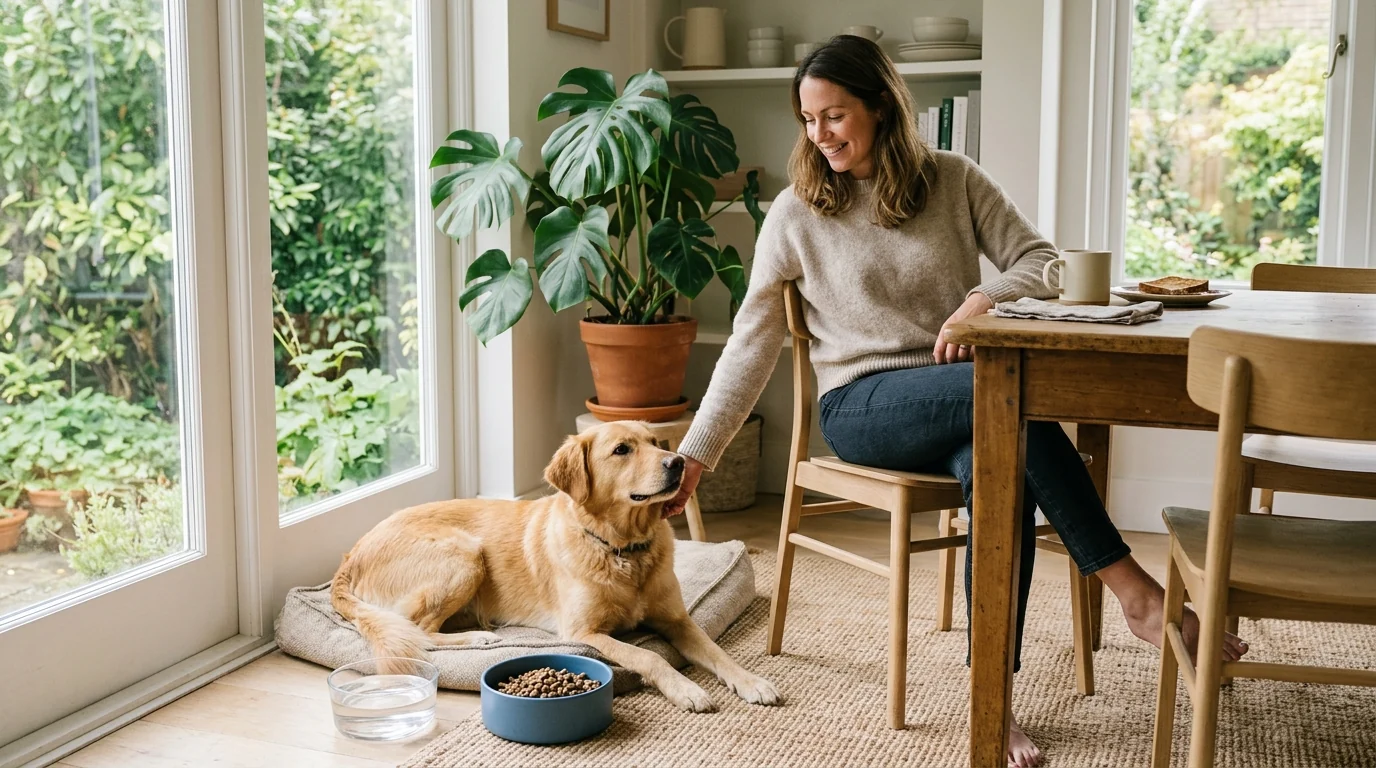
Typical Adjustment Time After a Food Change
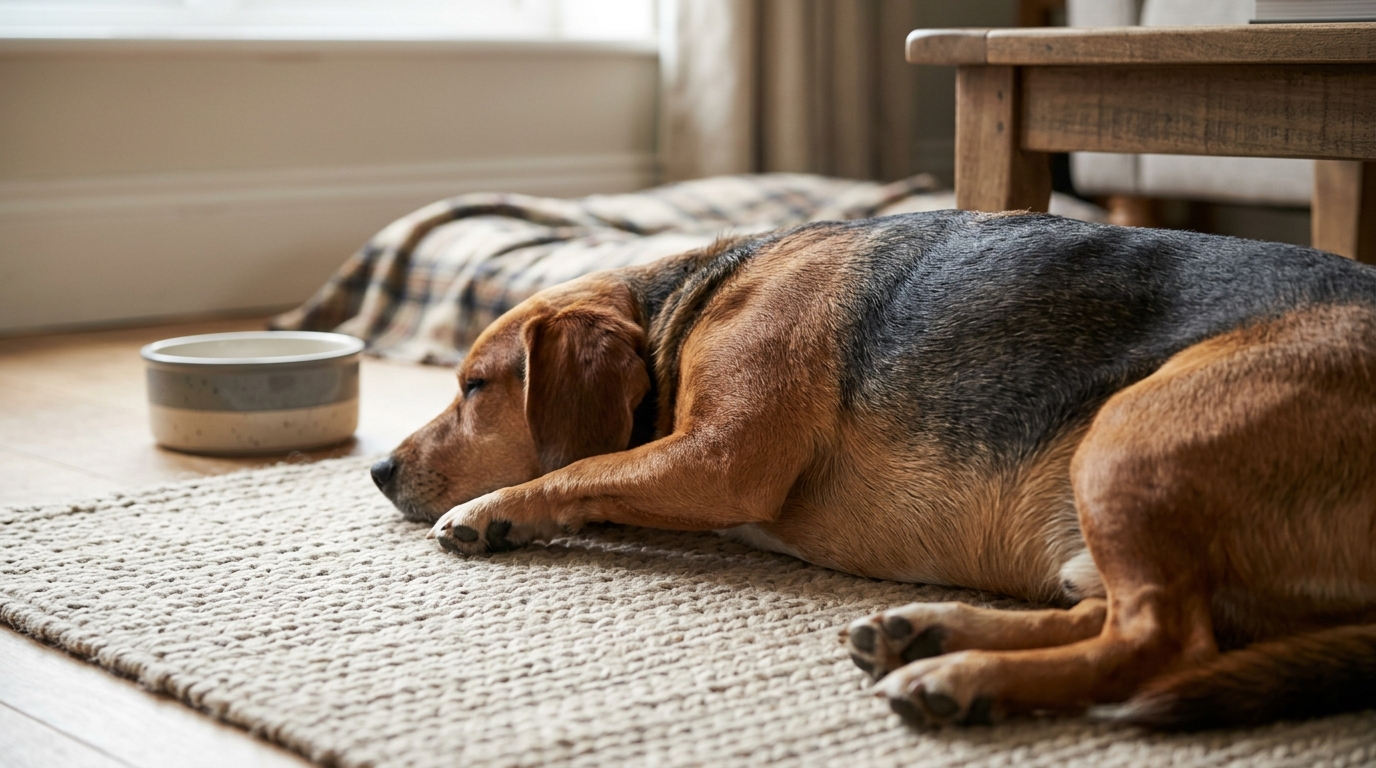
Most dogs’ stomachs settle within three to seven days after switching food. Mild gas, softer stools, or reduced appetite may occur temporarily, but symptoms should gradually improve rather than intensify. Puppies, senior dogs, and dogs with sensitive digestion may need up to two weeks.
Use a 7- to 10-Day Food Transition
A gradual transition gives intestinal bacteria time to adapt. Serve 75% old food and 25% new food for days one through three, use equal portions for days four through six, then provide 25% old food and 75% new food for days seven through nine before fully switching.
Featured in this guide
How to Change Your Pet’s Food Safely – Easy Checklist for Switching Pet Food Safely, Stress-Free Feeding Transition Guide
Measure Portions and Maintain Meal Timing
Use a measuring cup or kitchen scale to serve the calorie-appropriate amount listed for your dog’s weight. Split the daily portion into two or three meals, served at consistent times, because oversized or irregular meals can worsen nausea, gas, and loose stool.
Check the New Food’s Ingredients and Nutritional Fit
Compare the old and new labels for major changes in protein source, fat percentage, and fiber content. A sudden move to a richer formula may prolong digestive upset, so confirm that the food is complete and balanced for your dog’s life stage and does not contain a known trigger ingredient.
Track Stool Quality and Hydration
Record each meal and bowel movement for at least seven days to identify improvement or a possible food intolerance. Keep fresh water available and check that the gums remain moist; repeated vomiting, blood in the stool, marked lethargy, abdominal swelling, or diarrhea lasting more than 48 hours warrants veterinary guidance.
For a fuller transition timeline and practical feeding guidance, read how long it takes for a dog’s stomach to settle after changing food.
FAQ
How do I settle my dog’s stomach after changing food?
Settle your dog’s stomach by slowing the transition, serving smaller measured meals, and providing constant access to fresh water. If symptoms began after a rapid switch, temporarily increase the proportion of the previous food and advance more gradually, unless your veterinarian advises otherwise.
How long does it take a dog’s stomach to adjust to new food?
A dog’s stomach usually adjusts to new food within three to seven days when the change is gradual. Sensitive dogs may need up to two weeks, while persistent vomiting, worsening diarrhea, blood, pain, or poor energy requires veterinary evaluation.
See if How to Change Your Pet’s Food Safely – Easy Checklist for Switching Pet Food Safely, Stress-Free Feeding Transition Guide fits your setup
Was this article helpful?
Yes
No







Leave a comment