-
Shop
- Advanced Technologies
- AI Skills Mastery 2026 Collection
- Apple Accessories
- Baby & Toddler
- Baking & Desserts
- Bathroom
- Budget Travel
- Car Accessories
- Clean & DIY Beauty
- Cleaning & Home Care
- Dating & Social Skills
- Digital Resources
- AI & Technology
- Beauty
- Budgeting & Saving
- Car Buying & Ownership
- Cozy Feast Collection
- Electronics & Technology
- Entrepreneurship & Business Growth
- Financial Education
- Financial Independence
- Financial Mindset & Psychology
- Goal Setting
- Home Styling & Organization
- Kitchen & Recipes
- Leadership
- Mindfulness
- Mindset
- Online Business
- Parenting & Child Development
- Personal Style & Fashion
- Pet Lifestyle & Wellness
- Positive Thinking
- Sleep Improvement
- Smart Life with AI
- Stress Management & Relaxation
- Travel Planning
- Wellness
- Yoga & Fitness
- Yoga & Mind-Body Practices
- Education & Learning
- Family & Parenting
- Family Travel
- Fashion
- Accessories
- Alexander McQueen
- Bags
- Bags & Wallets
- Balenciaga
- Belts
- Blazers
- Blouses & Shirts
- Bottega Veneta
- Bottoms
- Brunello Cucinelli
- Burberry
- Chanel
- Chloé
- Clothing
- Dior
- Dolce & Gabbana
- Dresses
- Etro
- Fendi
- Gucci
- Hats & Hair Accessories
- Hoodies & Sweatshirts
- Jacquemus
- Jewelry
- Jil Sander
- Keychains
- Kiton
- Luggage
- Luggage Bags
- Miu Miu
- Off-White
- Outerwear
- Prada
- Rick Owens
- Saint Laurent
- Scarves
- Socks & Tights
- Sweaters & Cardigans
- The Row
- Tom Ford
- Tops & Shirts
- Valentino
- Valentino Garavani
- Versace
- Vivienne Westwood
- Watches
- Fashion Accessories
- Furniture
- Gadgets
- Halloween
- Health & Beauty
- Health & Wellness
- Home & Garden
- Home Electronics
- Home Supplies
- Kids & Babies
- Kitchen
- Lighting
- Party Planning & Hosting
- Patio, Lawn & Garden
- Personal Growth
- Pet Care
- Pet Supplies
- Pets
- Relationships & Dating
- Self-Care
- Shoes
- Smart Amazon Shopping
- Sport & Outdoors
- Super Deals
- Thanksgiving
- Travel
- Wealth
- Wealth Building
Dog Food Switch Timeline: When Changes Appear
35% off on product page · save $2.69
Dog Food Switch Timeline: When Changes Appear
Track Stool and Appetite During a 7- to 10-Day Transition
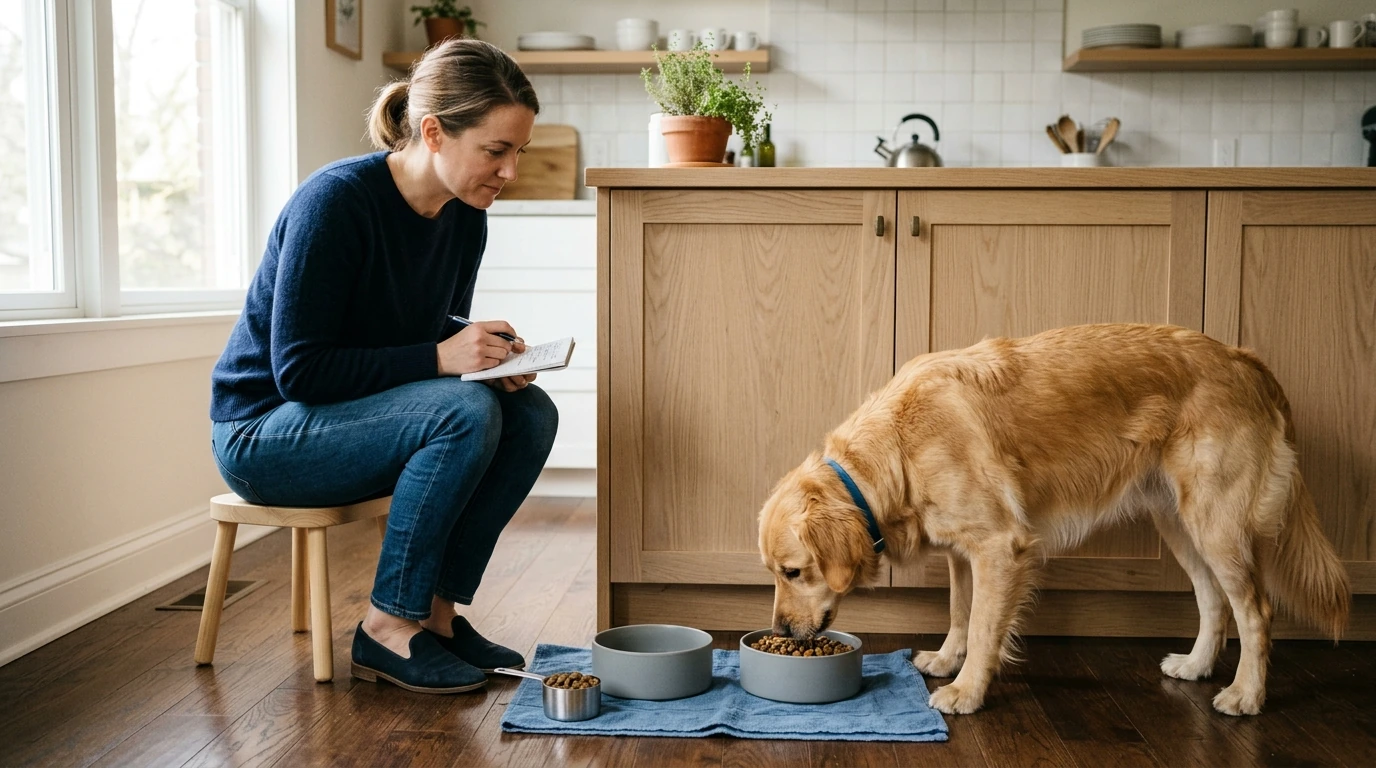
Many dogs show digestive changes within the first few days, but allow about two weeks after completing the food transition to judge the initial difference. Record stool consistency, frequency, appetite, gas, and vomiting each day so you can compare observable results rather than relying on memory.
Introduce the new food gradually: start with approximately 25% new food and 75% old food, then increase the new portion every two or three days. Dogs with sensitive stomachs may need a transition lasting 10 to 14 days.
Evaluate Skin and Coat Over 6 to 12 Weeks
Changes in itching, dandruff, shedding, and coat texture generally take longer to appear because skin and hair growth occur gradually. Take a well-lit photo of your dog’s coat before the switch, then compare it with photos taken at four-week intervals.
Check that the new recipe provides complete and balanced nutrition for your dog’s life stage. If the change was intended to address suspected food allergies, work with a veterinarian because a controlled elimination diet often requires at least eight weeks.
Featured in this guide
How to Change Your Pet’s Food Safely – Easy Checklist for Switching Pet Food Safely, Stress-Free Feeding Transition Guide
Measure Weight and Body Condition Every Two Weeks
Weight changes may become measurable within two to four weeks, depending on calorie intake, activity, and portion size. Weigh your dog on the same scale every two weeks and use a body-condition chart to check whether the ribs remain easy to feel beneath a thin layer of fat.
Compare calories per cup or can rather than serving equal volumes of the old and new foods. Adjust portions carefully, since two formulas can have substantially different calorie densities.
Match the Formula to Your Dog’s Needs
A food should be compatible with your dog’s age, size, health conditions, and chewing ability. Confirm the package carries an AAFCO nutritional adequacy statement for the appropriate life stage, and review the feeding guide as a starting measurement.
Results are easier to assess when treats, table scraps, and supplements remain consistent. For a broader timeline and switching guidance, visit the complete guide to noticing changes after switching dog food.
Respond to Digestive Warning Signs Promptly
Mildly soft stool can occur during a transition, but repeated vomiting, severe diarrhea, blood in the stool, marked lethargy, or refusal to eat requires veterinary advice. Stop making further diet increases until a veterinarian explains how to proceed.
Puppies, senior dogs, and dogs with pancreatitis, kidney disease, diabetes, or prescription diets should have their food compatibility checked by a veterinarian before any switch.
FAQ
How long does it take to see results from switching dog food?
It can take a few days to see digestive results from switching dog food, while skin, coat, weight, or allergy-related changes may require four to twelve weeks. Track one measurable sign at a time and assess it after the gradual transition is complete.
What happens if I switch my dog’s food too quickly?
Switching your dog’s food too quickly can cause diarrhea, gas, vomiting, reduced appetite, or abdominal discomfort. Unless a veterinarian directs otherwise, blend the foods over seven to ten days to help the digestive system adapt.
See if How to Change Your Pet’s Food Safely – Easy Checklist for Switching Pet Food Safely, Stress-Free Feeding Transition Guide fits your setup
Was this article helpful?
Yes
No








Leave a comment