-
Shop
- Advanced Technologies
- AI Skills Mastery 2026 Collection
- Apple Accessories
- Baby & Toddler
- Baking & Desserts
- Bathroom
- Budget Travel
- Car Accessories
- Clean & DIY Beauty
- Cleaning & Home Care
- Dating & Social Skills
- Digital Resources
- AI & Technology
- Beauty
- Budgeting & Saving
- Car Buying & Ownership
- Cozy Feast Collection
- Electronics & Technology
- Entrepreneurship & Business Growth
- Financial Education
- Financial Independence
- Financial Mindset & Psychology
- Goal Setting
- Home Styling & Organization
- Kitchen & Recipes
- Leadership
- Mindfulness
- Mindset
- Online Business
- Parenting & Child Development
- Personal Style & Fashion
- Pet Lifestyle & Wellness
- Positive Thinking
- Sleep Improvement
- Smart Life with AI
- Stress Management & Relaxation
- Travel Planning
- Wellness
- Yoga & Fitness
- Yoga & Mind-Body Practices
- Education & Learning
- Family & Parenting
- Family Travel
- Fashion
- Accessories
- Alexander McQueen
- Bags
- Bags & Wallets
- Balenciaga
- Belts
- Blazers
- Blouses & Shirts
- Bottega Veneta
- Bottoms
- Brunello Cucinelli
- Burberry
- Chanel
- Chloé
- Clothing
- Dior
- Dolce & Gabbana
- Dresses
- Etro
- Fendi
- Gucci
- Hats & Hair Accessories
- Hoodies & Sweatshirts
- Jacquemus
- Jewelry
- Jil Sander
- Keychains
- Kiton
- Luggage
- Luggage Bags
- Miu Miu
- Off-White
- Outerwear
- Prada
- Rick Owens
- Saint Laurent
- Scarves
- Socks & Tights
- Sweaters & Cardigans
- The Row
- Tom Ford
- Tops & Shirts
- Valentino
- Valentino Garavani
- Versace
- Vivienne Westwood
- Watches
- Fashion Accessories
- Furniture
- Gadgets
- Halloween
- Health & Beauty
- Health & Wellness
- Home & Garden
- Home Electronics
- Home Supplies
- Kids & Babies
- Kitchen
- Lighting
- Party Planning & Hosting
- Patio, Lawn & Garden
- Personal Growth
- Pet Care
- Pet Supplies
- Pets
- Relationships & Dating
- Self-Care
- Shoes
- Smart Amazon Shopping
- Sport & Outdoors
- Super Deals
- Thanksgiving
- Travel
- Wealth
- Wealth Building
Worst Foods for Dogs: What’s Toxic and When to Act
35% off on product page · save $2.69
Worst Foods for Dogs: What’s Toxic and When to Act
Is There One Absolute Worst Food for Dogs?
There is no single food that is always the worst for every dog: the danger depends on what your dog ate, how much they ate, their size, and how quickly they receive care. Grapes and raisins are among the foods we take most seriously because they can cause acute kidney injury, and a dangerous amount is not easy to predict.
Check the product’s listed specifications when evaluating is there one absolute worst food for dogs.
Which Foods Require Immediate Attention?
Xylitol, a sweetener found in some sugar-free gum, candy, and other products, can cause a rapid drop in a dog’s blood sugar and may also damage the liver. Chocolate—especially dark or baking chocolate—can also be dangerous, while onions, garlic, alcohol, and foods containing them should stay out of your dog’s bowl.
Check the product’s listed specifications when evaluating which foods require immediate attention.
Featured in this guide
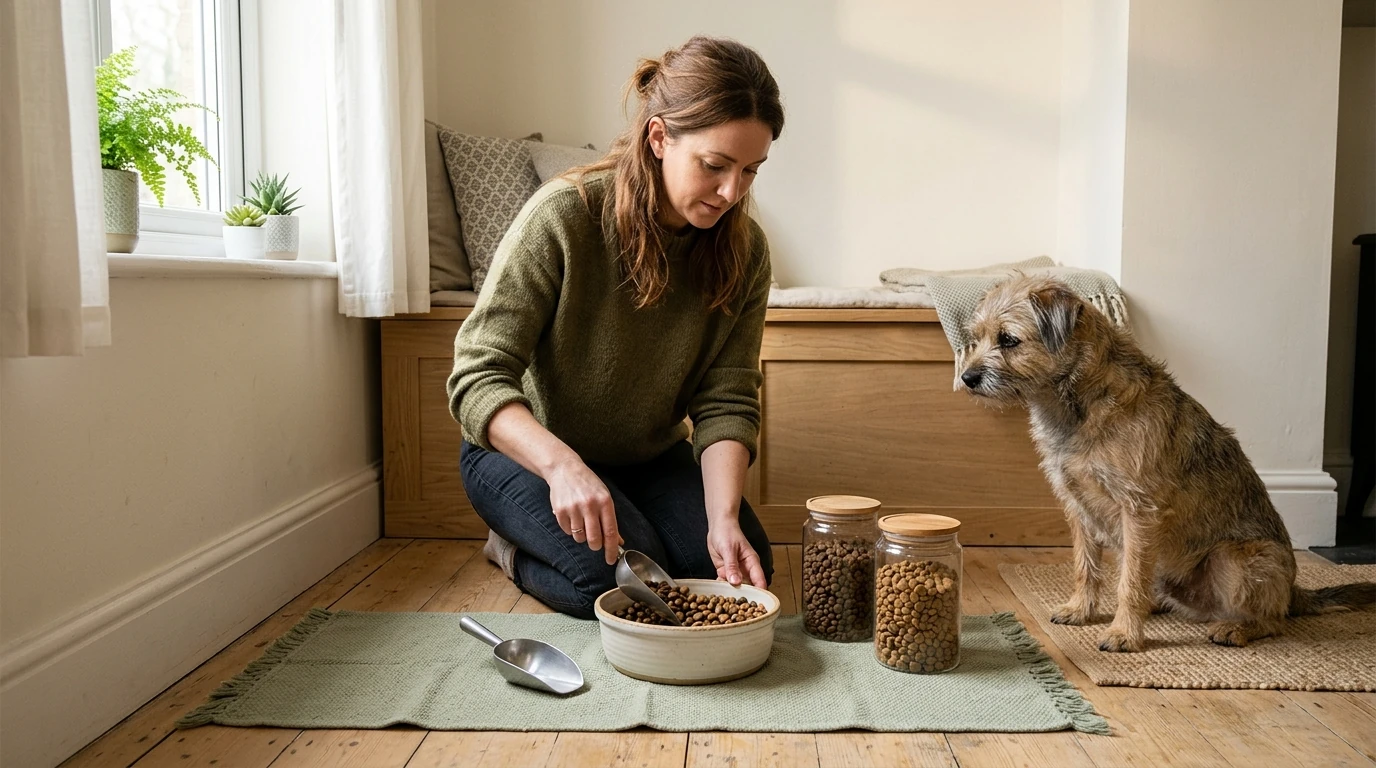
How to Change Your Pet’s Food Safely – Easy Checklist for Switching Pet Food Safely, Stress-Free Feeding Transition Guide
What Should You Do If Your Dog Eats One?
If you suspect your dog ate a toxic food, call your veterinarian or an animal poison control service right away, even if your dog seems normal; some serious effects do not appear immediately. Save the package or ingredient list, estimate the amount eaten and when it happened, and do not induce vomiting or give home remedies unless a veterinary professional tells you to.
Check the product’s listed specifications when evaluating what should you do if your dog eats one.
What About Foods That Are Unhealthy Rather Than Poisonous?
Greasy table scraps and very fatty foods may not be toxic in the same way as xylitol, but they can cause digestive upset and sometimes pancreatitis. For everyday feeding, we recommend a complete and balanced diet appropriate for your dog’s life stage rather than relying on treats, leftovers, or a homemade recipe that has not been formulated for your dog’s needs.
Check the product’s listed specifications when evaluating what about foods that are unhealthy rather than poisonous.
How Does This Affect a Food Switch?
A new dog food is not automatically harmful, but changing it abruptly can upset some dogs’ stomachs, so a gradual transition gives you time to watch their appetite and stools. Our How to Change Your Pet’s Food Safely – Easy Checklist for Switching Pet Food Safely, Stress-Free Feeding Transition Guide covers the switching process; if your dog is vomiting repeatedly, seems weak, or may have eaten a toxin, contact a veterinarian instead of treating it as a routine transition issue.
FAQ
What is the most unhealthiest dog food?
There is no single brand or recipe that is the least healthy for every dog. A food that is not complete and balanced for your dog’s life stage is a poor choice as their main diet, and frequent fatty leftovers can create additional health risks.
See if How to Change Your Pet’s Food Safely – Easy Checklist for Switching Pet Food Safely, Stress-Free Feeding Transition Guide fits your setup
Was this article helpful?
Yes
No







Leave a comment