-
Shop
- Advanced Technologies
- AI Skills Mastery 2026 Collection
- Apple Accessories
- Baby & Toddler
- Baking & Desserts
- Bathroom
- Budget Travel
- Car Accessories
- Clean & DIY Beauty
- Cleaning & Home Care
- Dating & Social Skills
- Digital Resources
- AI & Technology
- Beauty
- Budgeting & Saving
- Car Buying & Ownership
- Cozy Feast Collection
- Electronics & Technology
- Entrepreneurship & Business Growth
- Financial Education
- Financial Independence
- Financial Mindset & Psychology
- Goal Setting
- Home Styling & Organization
- Kitchen & Recipes
- Leadership
- Mindfulness
- Mindset
- Online Business
- Parenting & Child Development
- Personal Style & Fashion
- Pet Lifestyle & Wellness
- Positive Thinking
- Sleep Improvement
- Smart Life with AI
- Stress Management & Relaxation
- Travel Planning
- Wellness
- Yoga & Fitness
- Yoga & Mind-Body Practices
- Education & Learning
- Family & Parenting
- Family Travel
- Fashion
- Accessories
- Alexander McQueen
- Bags
- Bags & Wallets
- Balenciaga
- Belts
- Blazers
- Blouses & Shirts
- Bottega Veneta
- Bottoms
- Brunello Cucinelli
- Burberry
- Chanel
- Chloé
- Clothing
- Dior
- Dolce & Gabbana
- Dresses
- Etro
- Fendi
- Gucci
- Hats & Hair Accessories
- Hoodies & Sweatshirts
- Jacquemus
- Jewelry
- Jil Sander
- Keychains
- Kiton
- Luggage
- Luggage Bags
- Miu Miu
- Off-White
- Outerwear
- Prada
- Rick Owens
- Saint Laurent
- Scarves
- Socks & Tights
- Sweaters & Cardigans
- The Row
- Tom Ford
- Tops & Shirts
- Valentino
- Valentino Garavani
- Versace
- Vivienne Westwood
- Watches
- Fashion Accessories
- Furniture
- Gadgets
- Halloween
- Health & Beauty
- Health & Wellness
- Home & Garden
- Home Electronics
- Home Supplies
- Kids & Babies
- Kitchen
- Lighting
- Party Planning & Hosting
- Patio, Lawn & Garden
- Personal Growth
- Pet Care
- Pet Supplies
- Pets
- Relationships & Dating
- Self-Care
- Shoes
- Smart Amazon Shopping
- Sport & Outdoors
- Super Deals
- Thanksgiving
- Travel
- Wealth
- Wealth Building
Puppy Ate Adult Dog Food? What to Do Next
35% off on product page · save $2.69
Puppy Ate Adult Dog Food? What to Do Next
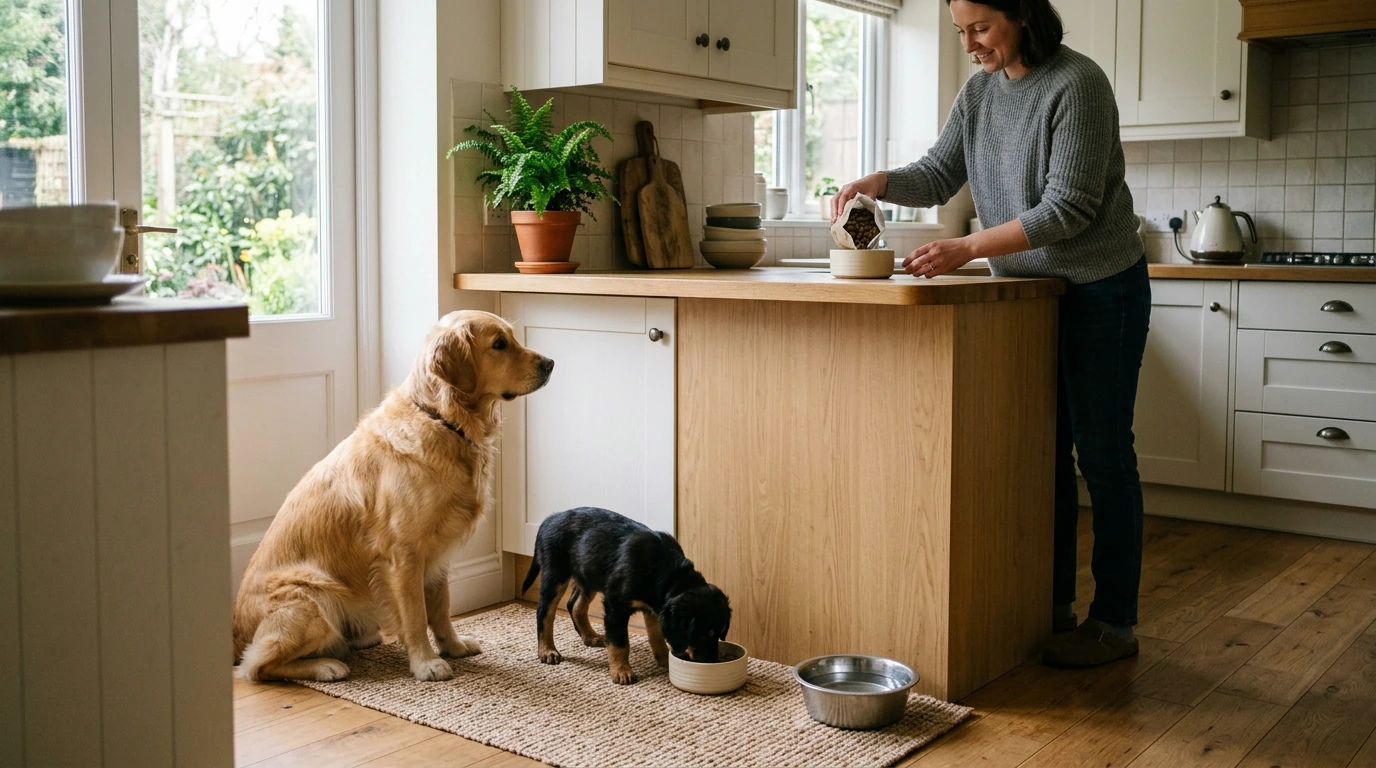
What to do after your puppy eats adult dog food
If your puppy ate a small amount, offer water and watch for vomiting, diarrhea, or a change in energy or appetite. Contact your veterinarian if symptoms are persistent or severe, your puppy ate a large amount, or the food contained something other than plain dog food that may be unsafe.
Check the product’s listed specifications when evaluating what to do after your puppy eats adult dog food.

Why puppy food matters for daily feeding
Puppy food is formulated to support growth, while an adult-maintenance food may not provide the right balance of calories and nutrients for a puppy eating it as their main diet. Choose a food labeled for growth that suits your puppy’s size, and ask your veterinarian about large-breed puppy food if you expect your dog to grow large.
Check the product’s listed specifications when evaluating why puppy food matters for daily feeding.
Featured in this guide
How to Change Your Pet’s Food Safely – Easy Checklist for Switching Pet Food Safely, Stress-Free Feeding Transition Guide
How to get back to the right food
If this was a one-time mix-up, you can generally return to your puppy’s usual food at the next meal rather than making adult food part of the routine. If you’re changing your puppy to a different puppy food, make the change gradually by mixing increasing amounts of the new food with the old; our guide to changing your pet’s food safely walks you through a seven-day approach.
Check the product’s listed specifications when evaluating how to get back to the right food.
When to get individual advice
A puppy with a medical condition or a prescribed diet may need more specific guidance, even after a seemingly minor food mix-up. Our team’s “How to Change Your Pet’s Food Safely – Easy Checklist for Switching Pet Food Safely, Stress-Free Feeding Transition Guide” can help you plan a food change, but your veterinarian is the right person to advise you about illness, symptoms, or special nutritional needs.
FAQ
What happens if a puppy eats normal dog food?
A few bites of plain adult dog food will usually cause no problem, though some puppies may have an upset stomach. If your puppy keeps eating adult food instead of puppy food, they may miss nutrients needed for growth, so use an appropriate puppy formula for regular meals.
What should you never feed a puppy?
Keep chocolate, grapes and raisins, xylitol-containing products, onions, garlic, and macadamia nuts away from your puppy, and avoid cooked bones because they can splinter or cause choking. If you think your puppy ate something toxic, call your veterinarian or an animal poison-control service promptly rather than waiting for symptoms.
See if How to Change Your Pet’s Food Safely – Easy Checklist for Switching Pet Food Safely, Stress-Free Feeding Transition Guide fits your setup
Was this article helpful?
Yes
No






Leave a comment