-
Shop
- Advanced Technologies
- AI Skills Mastery 2026 Collection
- Apple Accessories
- Baby & Toddler
- Baking & Desserts
- Bathroom
- Budget Travel
- Car Accessories
- Clean & DIY Beauty
- Cleaning & Home Care
- Dating & Social Skills
- Digital Resources
- AI & Technology
- Beauty
- Budgeting & Saving
- Car Buying & Ownership
- Cozy Feast Collection
- Electronics & Technology
- Entrepreneurship & Business Growth
- Financial Education
- Financial Independence
- Financial Mindset & Psychology
- Goal Setting
- Home Styling & Organization
- Kitchen & Recipes
- Leadership
- Mindfulness
- Mindset
- Online Business
- Parenting & Child Development
- Personal Style & Fashion
- Pet Lifestyle & Wellness
- Positive Thinking
- Sleep Improvement
- Smart Life with AI
- Stress Management & Relaxation
- Travel Planning
- Wellness
- Yoga & Fitness
- Yoga & Mind-Body Practices
- Education & Learning
- Family & Parenting
- Family Travel
- Fashion
- Accessories
- Alexander McQueen
- Bags
- Bags & Wallets
- Balenciaga
- Belts
- Blazers
- Blouses & Shirts
- Bottega Veneta
- Bottoms
- Brunello Cucinelli
- Burberry
- Chanel
- Chloé
- Clothing
- Dior
- Dolce & Gabbana
- Dresses
- Etro
- Fendi
- Gucci
- Hats & Hair Accessories
- Hoodies & Sweatshirts
- Jacquemus
- Jewelry
- Jil Sander
- Keychains
- Kiton
- Luggage
- Luggage Bags
- Miu Miu
- Off-White
- Outerwear
- Prada
- Rick Owens
- Saint Laurent
- Scarves
- Socks & Tights
- Sweaters & Cardigans
- The Row
- Tom Ford
- Tops & Shirts
- Valentino
- Valentino Garavani
- Versace
- Vivienne Westwood
- Watches
- Fashion Accessories
- Furniture
- Gadgets
- Halloween
- Health & Beauty
- Health & Wellness
- Home & Garden
- Home Electronics
- Home Supplies
- Kids & Babies
- Kitchen
- Lighting
- Party Planning & Hosting
- Patio, Lawn & Garden
- Personal Growth
- Pet Care
- Pet Supplies
- Pets
- Relationships & Dating
- Self-Care
- Shoes
- Smart Amazon Shopping
- Sport & Outdoors
- Super Deals
- Thanksgiving
- Travel
- Wealth
- Wealth Building
What Vets Say About Elevated Dog Bowls and Bloat
83% off on product page · save $55.47
What Vets Say About Elevated Dog Bowls and Bloat
When a vet may suggest a raised bowl
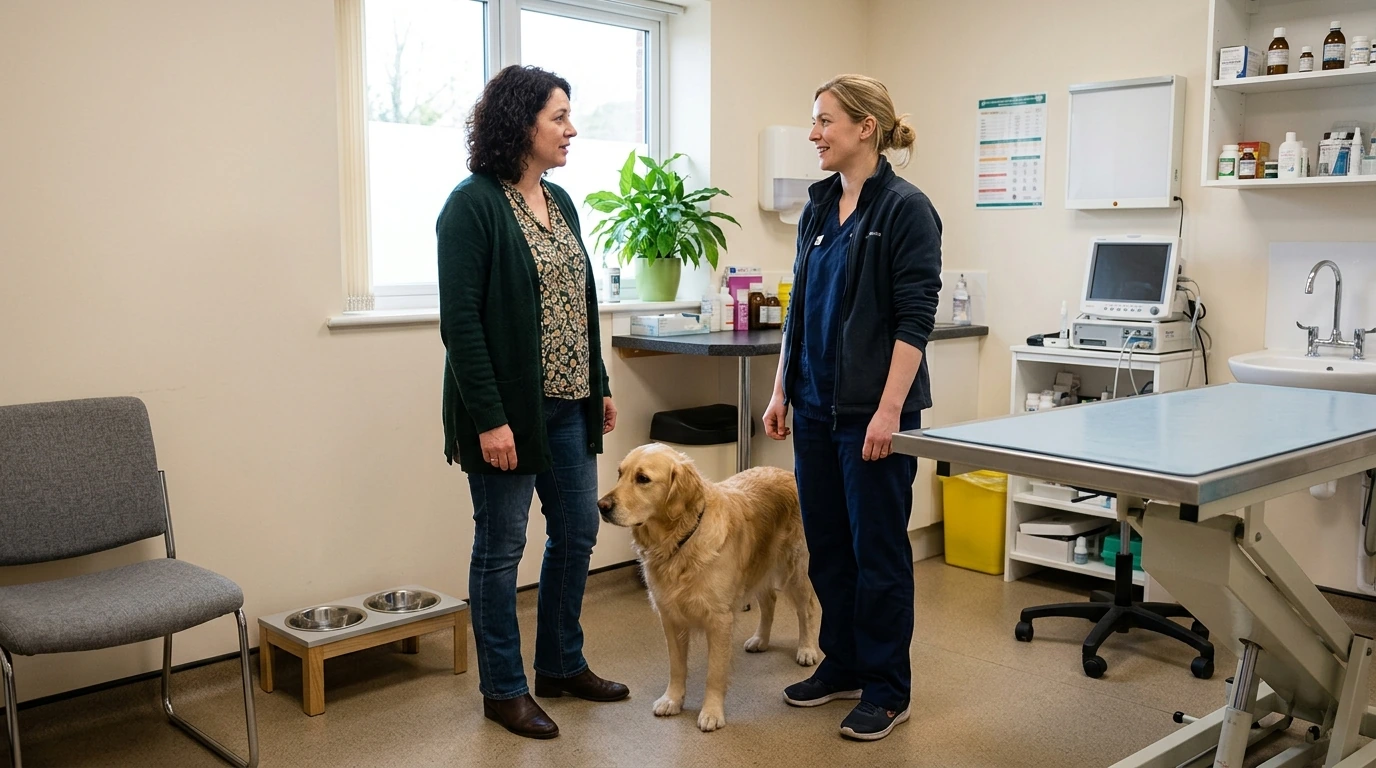
A veterinarian may recommend a raised bowl if your dog has a condition that makes lowering their head to eat uncomfortable, such as certain neck or mobility problems, or if your dog needs a particular feeding position as part of a treatment plan. In those cases, ask your vet how high the bowl should sit and whether your dog should eat and drink at the same height, rather than assuming that a taller setup is automatically better.
Check the product’s listed specifications when evaluating when a vet may suggest a raised bowl.
Why some vets advise against routine use
For a healthy dog, an elevated bowl is usually a preference rather than a medical necessity, and it should not be used on the assumption that it prevents gastric dilatation-volvulus (GDV), often called bloat. If you have a large, deep-chested dog or a dog with a history of digestive concerns, discuss bowl height and mealtime habits with your vet before changing the feeding setup.
Featured in this guide
Adjustable Elevated Slow Feeder Dog & Cat Bowl – Raised Food & Water Dish
Keep the bowl and mealtime routine in perspective
A slow feeder may change how your dog approaches a meal, but neither slow feeding nor elevation is a substitute for veterinary advice about gulping, vomiting, regurgitation, or possible bloat. Wash food and water dishes regularly, provide fresh water, and seek emergency veterinary care if your dog has a swollen abdomen, repeatedly tries to vomit without bringing anything up, or suddenly becomes distressed or weak.
For the full product context, see the main Owleys guide.
FAQ
Do vets recommend raised dog bowls?
Some vets recommend them for an individual dog’s comfort or medical needs, but they are not a standard recommendation for all dogs. Ask your vet about your dog’s specific condition and an appropriate feeding height before making the switch.
Why not use elevated dog bowls?
A raised bowl may offer no advantage for a healthy dog, and you should not rely on one to prevent bloat. It may also be a poor fit if your dog has to reach upward to eat or if your vet recommends a different feeding position.
See if Adjustable Elevated Slow Feeder Dog & Cat Bowl – Raised Food & Water Dish fits your setup
Was this article helpful?
Yes
No







Leave a comment